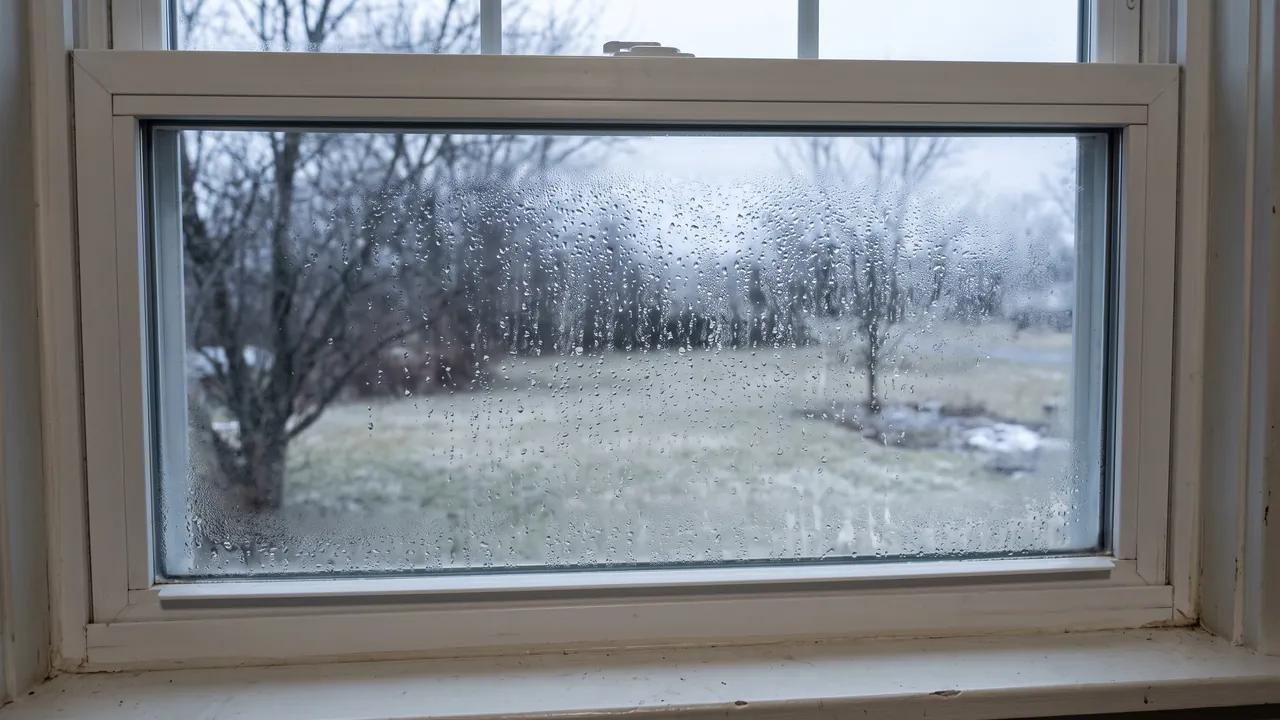

Window condensation on the inside of the glass is usually a sign of high indoor humidity meeting cold glass, not a broken window. Lowering humidity and improving air flow often fixes it. Fog trapped between the panes is different: it means the window's seal has failed, and that glass unit needs replacing.
This guide covers what the water means, how to reduce it, and when the window itself needs work. Our team offers window replacement across Virginia Beach, Norfolk, Chesapeake, Portsmouth, Suffolk, Hampton and Newport News. Request a Free In-Home Estimate.
Why does window condensation form on the inside in winter?
Water forms when the glass surface is colder than the dew point of the humid indoor air. That is the plain-language explanation from ENERGY STAR.
Natural Resources Canada (a Canadian government guide, not a U.S. or Virginia rule) says the risk of condensation increases as the weather gets colder, or as indoor humidity rises.
Indoor moisture has many everyday sources. The EPA and ENERGY STAR point to showers, cooking, laundry and dryers that are not vented outside.
Is condensation on windows a problem?
A little fog on a cold morning is common. The EPA says condensation can be a sign of high humidity. If you see moisture on the glass, dry the wet surface and reduce the moisture source quickly.
Left alone, the problem can grow. The U.S. Department of Energy's Federal Energy Management Program (DOE FEMP) says excess condensation can, over time, damage window components and the wall surfaces around them. It can also promote mold and mildew. The EPA's mold guide adds that mold needs moisture to grow, so keeping the glass dry matters.
Inside, outside or between the panes: what does each one mean?
Where the water sits tells you more than how much of it you see. Wipe the room-side glass. If the haze stays put, look again from both sides.
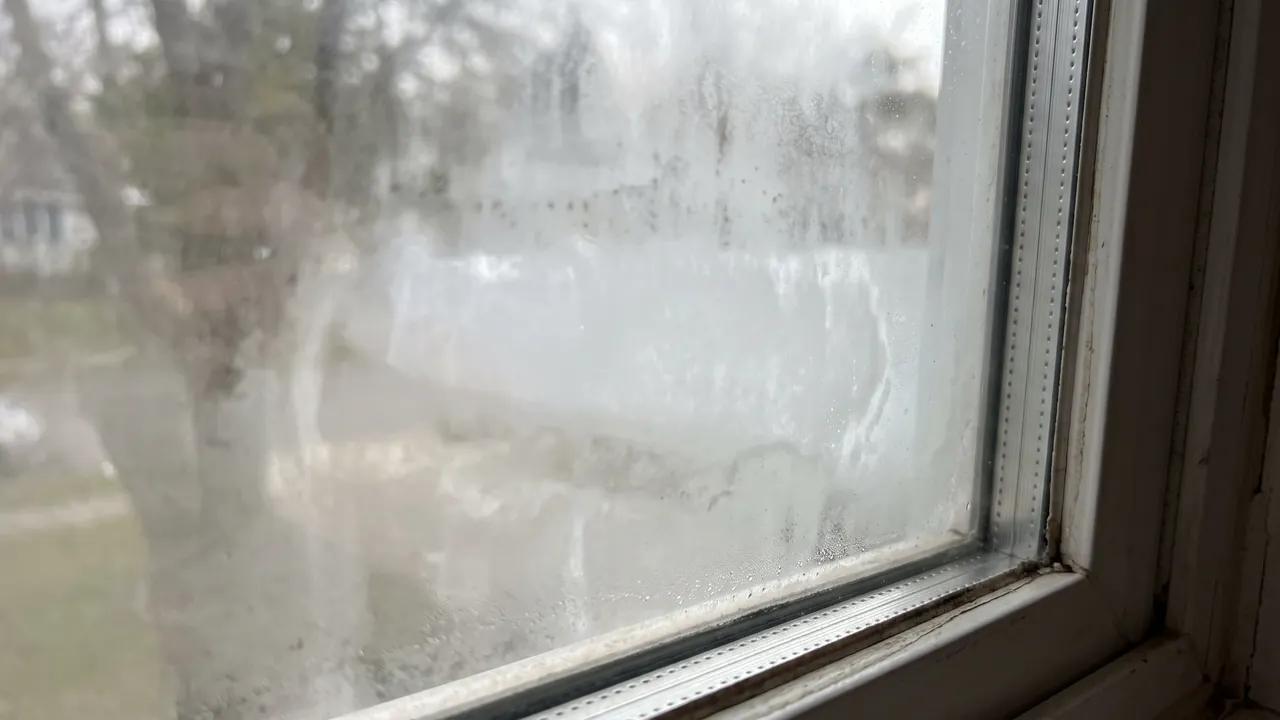
Outside condensation is not a failure. ENERGY STAR notes that it can form in warm weather when cool indoor air lowers the temperature of the outside glass. The NFRC Consumer Guide FAQ and Natural Resources Canada add another case. Very efficient glass can collect dew on the outside on a humid morning after a clear night.
Fog between the panes is different. Natural Resources Canada's Keeping the Heat In, Chapter 8 covers sealed units. When condensation occurs inside a sealed double-glazed unit, the problem is corrected by replacing the glazing unit. Refurbishing a failed unit is a temporary fix. The same chapter says to check whether the window is still under its manufacturer warranty. If the signs point to a failed seal, we can inspect the window and talk through window replacement options.
How can you reduce condensation on the inside of windows?
Start with the air in the house, not the glass.
- Keep indoor humidity below 60 percent, and ideally between 30 and 50 percent, measured with a humidity meter (EPA).
- In colder climates during the heating season, ENERGY STAR suggests 30 to 40 percent to prevent window condensation. Use that as guidance from ENERGY STAR, not as a claim about Hampton Roads weather.
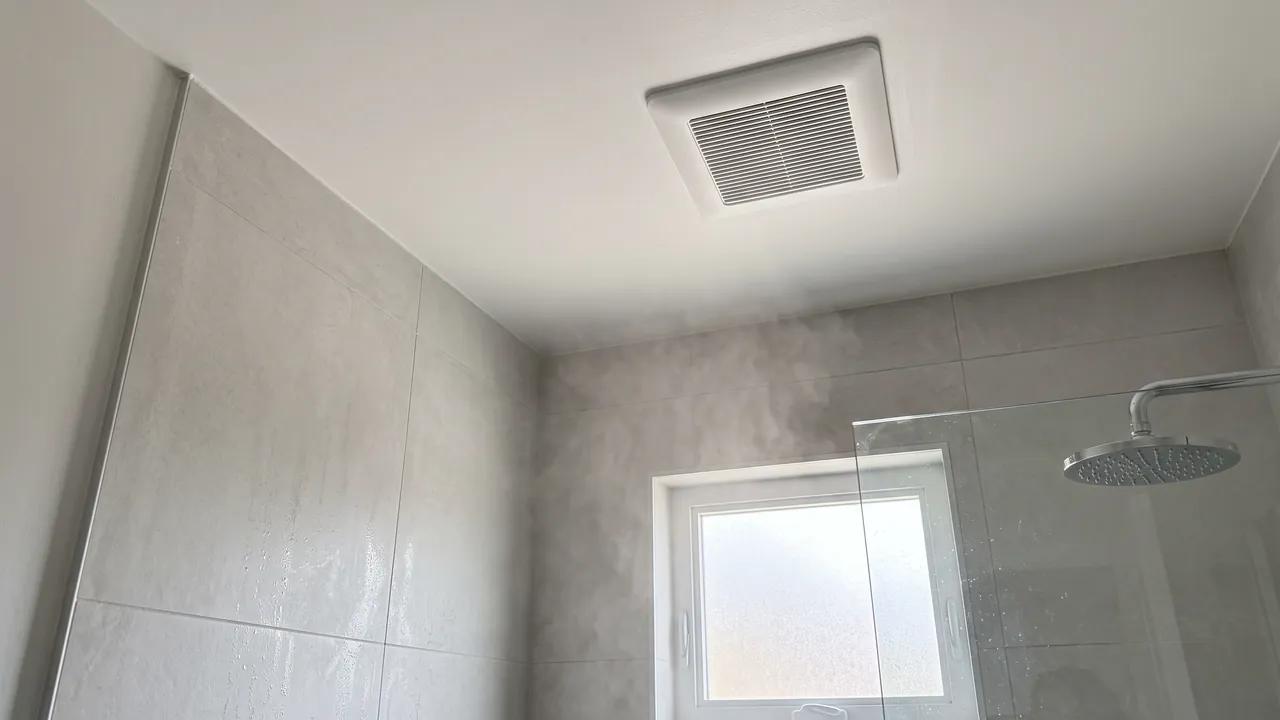
- Vent clothes dryers to the outside. Make sure kitchen and bath fans also vent outside.
- Run those fans during showers and cooking, and leave them on for 20 minutes after (ENERGY STAR).
- Let air reach the glass. ENERGY STAR says to choose window treatments that allow air flow over the window. Natural Resources Canada notes that closed blinds, deep sills and nearby furniture can trap cool air at the glass.
- Use a dehumidifier or air conditioner when needed (EPA).
A bathroom remodel is a good time to fix ventilation. Our bathroom remodeling services include an exhaust fan sized for the room, so moisture leaves.
ENERGY STAR also lists keeping gutters and downspouts clear as one way to reduce humidity around the house. Our guide to gutter guards explains how that system works. If you are already thinking about winter comfort indoors, see our guide to heated tile floors.
When does condensation mean you need new windows?
Humidity work should come first. Some signs point to the window itself:
- Fog or water trapped between the panes that you cannot wipe off (Natural Resources Canada).
- Condensation or frost that keeps coming back on old single-pane or clear double-pane glass, even when indoor humidity is in range. The NFRC Consumer Guide notes that windows with a low U-factor keep the inside glass closer to room temperature.
- Rot, mold or staining on or around the frame (Natural Resources Canada's "Taking stock" list).
- Drafts at the sash. Our windows page names drafty rooms and fogged-up glass as reasons to have the window checked.
There is an honest caveat. Natural Resources Canada says some homeowners find condensation gets worse after new windows, because tighter windows can raise indoor humidity. New glass helps, but you still need to manage moisture.
Our team will inspect your current windows and take exact measurements before recommending anything. That is also how we look at older Norfolk homes. Original wood windows often leak air, and replacements are sized to the old openings so the trim stays. For a closer look at window replacement in Portsmouth, start with an in-home visit.
What should you look for in new windows to cut condensation?
Better windows keep the room-side glass warmer, which lowers the chance of interior condensation. Use this planning table, then review the glass and frame options on our windows page.
Our windows page tells buyers to look for the ENERGY STAR label and the NFRC sticker, which lists the U-factor and solar heat gain. ENERGY STAR also says to insulate the space between the window frame and the rough opening during installation. We install windows with proper sealing.
How does Cuevas Construction look at windows with condensation?
We start with an inspection, not a product pitch. We inspect your current windows and take exact measurements before recommending anything. Then we walk you through options such as double-hung, vinyl and impact-resistant windows, and we provide a clear, itemized quote.
If a failed seal or worn sash is part of the story, we talk through replacement of the window. We install with proper sealing so the new unit is tied into the wall, not just set in the opening.
Window replacement is one part of our exterior remodeling work. Seeing fog between the panes, or water that keeps coming back? Our team can look at your windows, take measurements and talk through your options. Request a Free In-Home Estimate.
Sources (all accessed November 16, 2026):
- ENERGY STAR, Residential Windows, Doors and Skylights (condensation section)
- ENERGY STAR, Dehumidifiers (indoor humidity ranges and other ways to reduce humidity)
- U.S. EPA, A Brief Guide to Mold, Moisture and Your Home (updated February 18, 2026)
- U.S. DOE Federal Energy Management Program, Purchasing Energy-Efficient Residential Windows, Doors, and Skylights
- NFRC Consumer Guide to Windows, FAQ and Cut Condensation
- Natural Resources Canada, Condensation (date modified January 16, 2025)
- Natural Resources Canada, Keeping the Heat In, Chapter 8 (2012, modified 2014)