
Flooring & Tile Installation

Expert Flooring & Tile Installation for Durable, Beautiful Home Interiors

Hardwood, tile, or luxury vinyl plank, the right floor changes how a room feels and how long it holds up. Serving Virginia Beach, Norfolk, and all of Hampton Roads.

4.9
Roofing and remodeling service completed by Cuevas Construction in Hampton Roads, VA

Our Expertise

Flooring & Tile Installation — How We Help

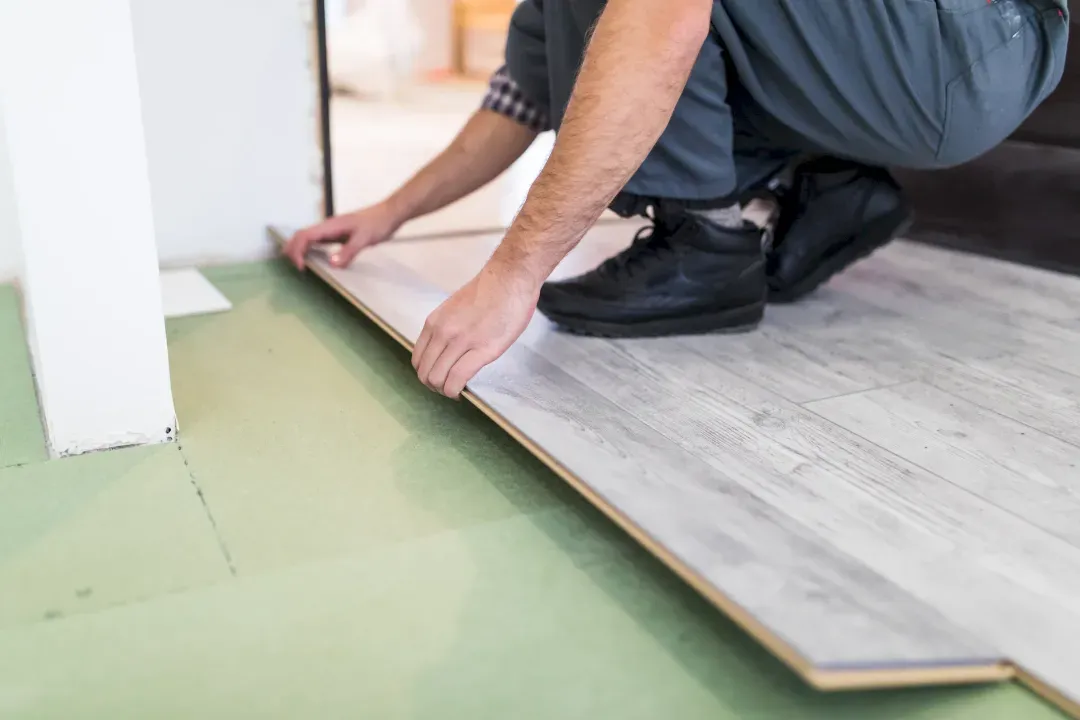
A successful flooring project depends on both the material and the installation process. Our experienced team helps you choose practical options for your home, then prepares each surface carefully so your floors deliver lasting durability and a clean finish.

  • Measure and evaluate the space, including subfloor condition and moisture concerns, before we prepare your quote

  • Recommend hardwood, tile, or LVP based on the room, budget, traffic, maintenance needs, and overall project goals

  • Repair or level subfloor issues and select appropriate underlayment before installation begins

  • Install tile with consistent spacing, sound grout lines, and clean edges; we can also coordinate tile work on a wall or in a bathroom

  • Complete the flooring installation with careful trim, transitions, cleanup, and protection so the work is ready for everyday use

Get a Free Inspection

How it is built

What sits under a new floor

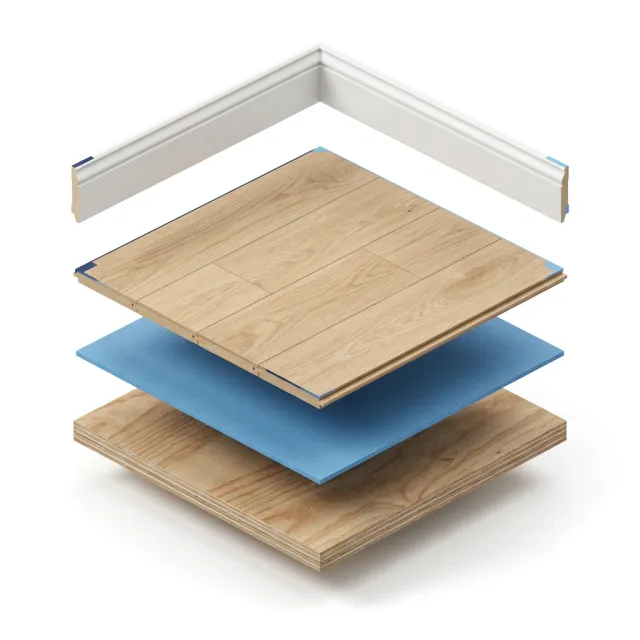
Most flooring problems start below the surface. These are the layers we check and build, from the bottom up.

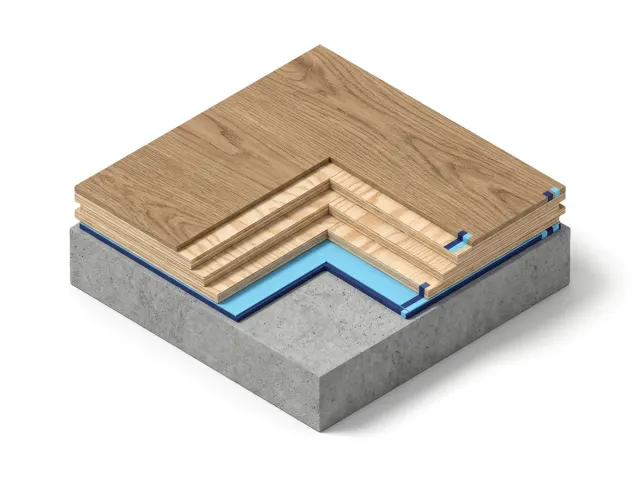
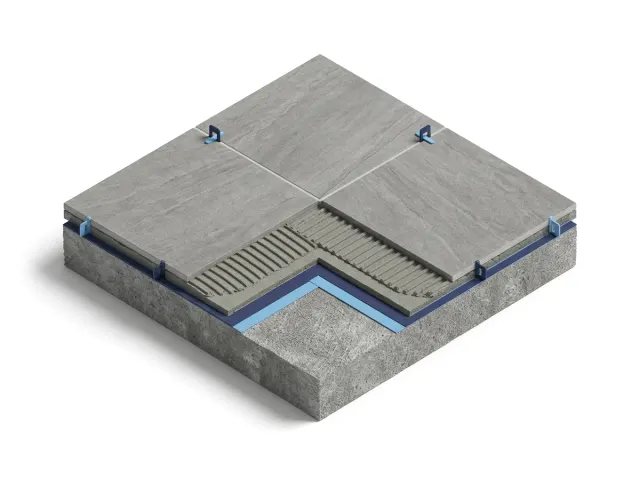
Illustration of a floor taken apart: plywood subfloor, blue underlayment, oak-look planks and white baseboard Subfloor Plywood or concrete. It has to be flat, dry and solid, or the new floor will show every dip and squeak. Underlayment A thin layer that blocks moisture and softens sound under plank floors. Tile gets a backer board or membrane instead. Flooring Planks click, glue or nail together, with a small gap at the walls so the floor can move. Tile is set in mortar, then grouted. Trim and transitions Baseboards and thresholds cover the gap at the edges and finish every doorway.

Materials

Flooring materials, compared

Each floor handles water, wear and upkeep in its own way. Here is how the four we install most compare, so you know what to ask for.

Illustration: luxury vinyl plank (lvp)

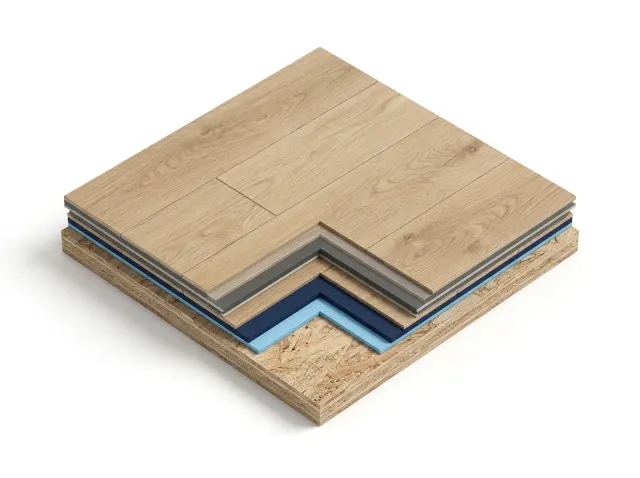
Luxury vinyl plank (LVP)

Vinyl planks with a printed wood or stone look under a clear wear layer. Most click together and float over the subfloor.

Best forKitchens, bathrooms, laundry rooms and busy homes with kids or pets.

Water
Stands up to spills and wet rooms. Many products are sold as waterproof; we check the rating of the one you pick.
Upkeep
Sweep and damp mop. No sanding, sealing or waxing.
Good to know
It cannot be refinished. A damaged plank is replaced, so keep a few spares.
LVP flooring installation
Illustration: solid hardwood

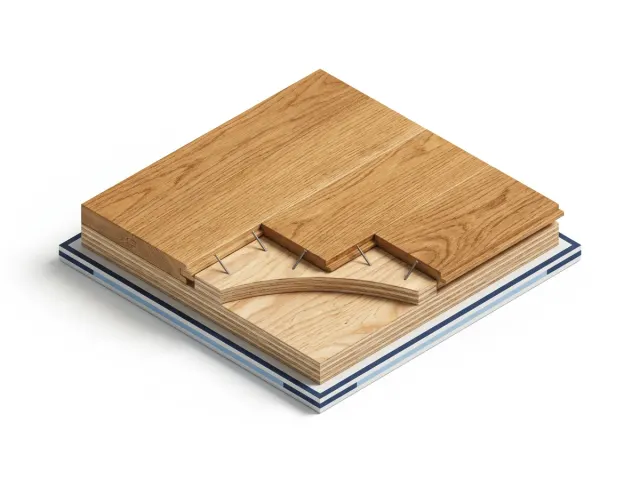
Solid hardwood

Boards cut from one piece of wood, such as oak, maple or hickory, and nailed to a wood subfloor.

Best forLiving rooms, dining rooms, bedrooms and halls.

Water
Keep it out of full bathrooms. Standing water and damp rooms make boards cup and swell.
Upkeep
It can be sanded and refinished several times.
Good to know
Wood moves with humidity. The boards sit in your home before the install so they adjust first.
Hardwood flooring installation
Illustration: engineered hardwood

Engineered hardwood

A real hardwood top layer bonded to a layered core. Once it is down, it looks like solid wood.

Best forHomes on a concrete slab, and rooms where humidity changes through the year.

Water
More stable than solid wood when the air gets humid. It is still wood, so wipe spills soon.
Upkeep
Cleans like hardwood. How often it can be refinished depends on how thick the top layer is.
Good to know
It can be glued, nailed or floated, so it fits more subfloors than solid wood.
Hardwood flooring installation
Illustration: porcelain and ceramic tile

Porcelain and ceramic tile

Fired clay tile set in mortar and grouted. Porcelain is denser than ceramic and absorbs less water.

Best forBathrooms, showers, kitchens, entries and laundry rooms.

Water
The strongest choice for wet rooms. In a shower, the waterproofing behind the tile does the real work.
Upkeep
Wipes clean. Cement grout needs sealing now and then; stain-resistant grouts need less care.
Good to know
Tile is hard and cool underfoot, and it needs a stiff, flat subfloor so it does not crack.
Tile installation

Not sure which one fits your home? We go over the options and show samples at your free in-home estimate.

Get Your Free Estimate

Our work

Real Transformations, In Motion

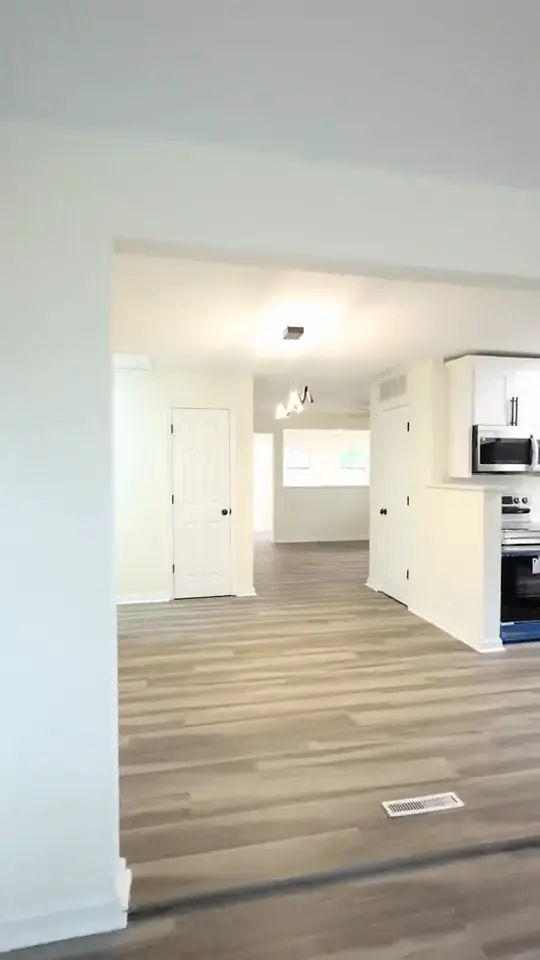
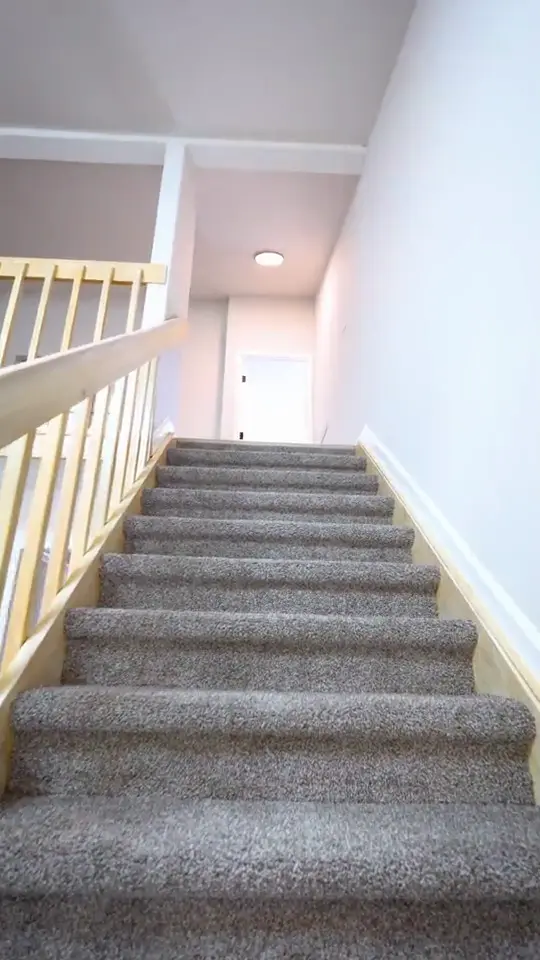
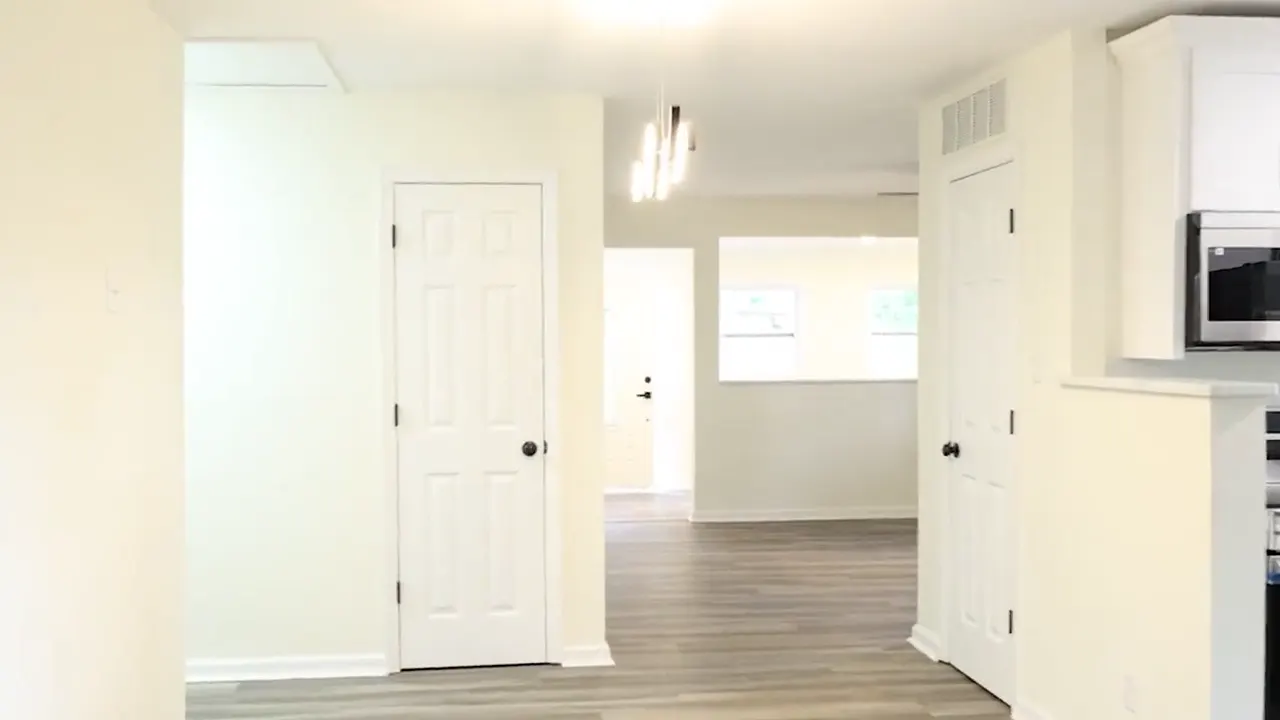
  • Finished rooms with new floors Finished rooms with new floors
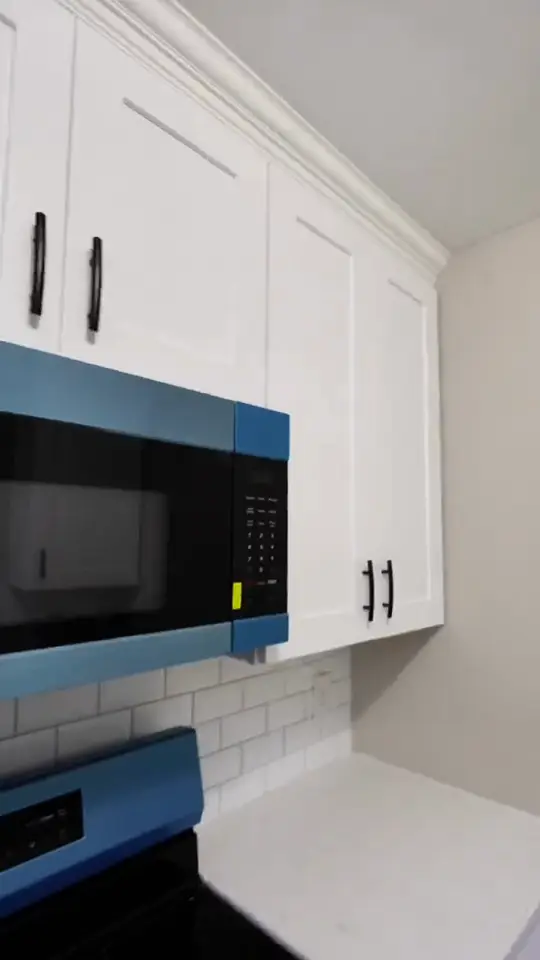
  • New kitchen and fixtures New kitchen and fixtures
  • Kitchen, hall and bath after the remodel Kitchen, hall and bath after the remodel
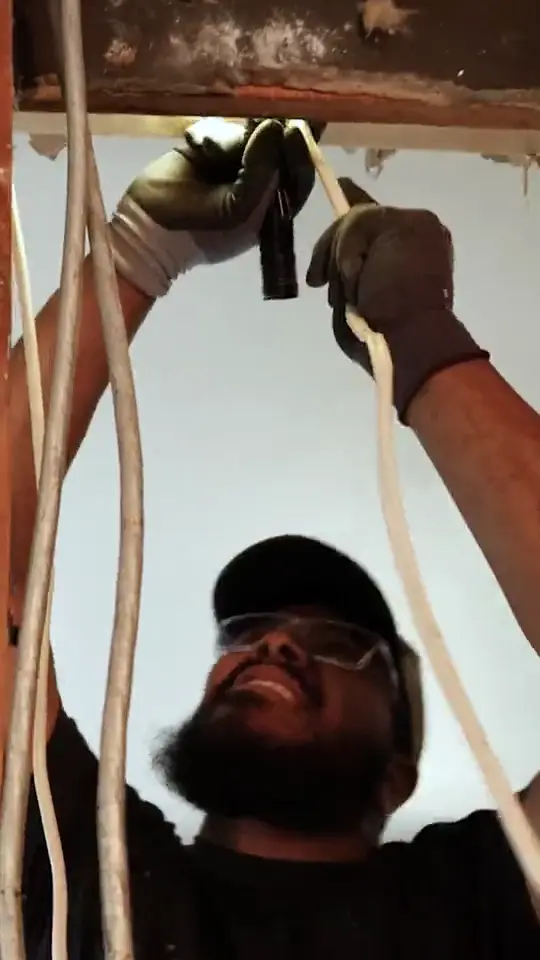
  • New wiring during a remodel New wiring during a remodel
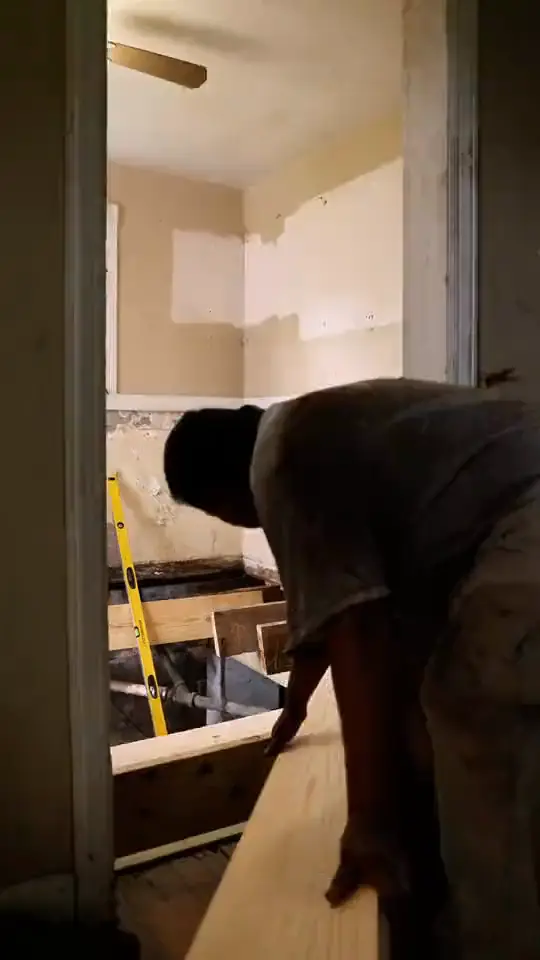
  • Framing work in progress Framing work in progress
  • 20+ Years of Precision Installs

    Flawless fits. Clean finishes. Two decades of windows installed the right way.

  • No Pushy Sales—Just Advice

    We help you pick what works best for your home, not our bottom line.

  • Built for Hampton Roads

    Every install considers heat, humidity, storms—and your peace of mind.

  • No Gimmicks. No Excuses.

    We show up. We deliver. And we back every job with our name — just ask your neighbors.

Process

Flooring & Tile Installation in Hampton Roads, VA — How We Work

Here’s what to expect from your first measurement through the final walkthrough, so your flooring project can start with a clear plan.

  1. Measure & Evaluate

    We measure your space and check the subfloor for anything that needs fixing before new flooring goes down.

  2. Material Selection & Quote

    We help you choose the right material for the room, hardwood, tile, or LVP, then confirm the full quote.

  3. Prep + Install

    We prep the subfloor and install with the attention to detail that keeps seams tight and edges clean.

  4. Final Detail & Protection

    We finish with trim, transitions, and protection so your new floor is ready to actually live on.

Continue Exploring

You Might Also Need

Combine the right services for a stronger result—smart upgrades, better durability, and a cleaner finish from start to final walkthrough.

Reviews

What Hampton Roads Homeowners Say About Our Work

Real Google reviews from homeowners in Hampton Roads, quoted word for word.

“I hired them to redo my kitchen and install some light fixtures. Very good customer service. Cristhian understood everything I wanted in my new kitchen. I love it they did such excellent work”
Emely R. Google review
“I hired Cuevas construction to remodel my family room. They did an excellent job. They removed a sliding door, paint job, flooring and recessed light work. I love my new family room space”
Natividad G. Google review
Read more reviews from Hampton Roads homeowners See our Google reviews

FAQ

Flooring & Tile Installation — FAQs

Here are answers to common questions homeowners ask before choosing flooring, planning a project, or scheduling installation.

How much does flooring installation cost?

The total cost depends on the material, room size, and condition of the existing floor. Tile may cost more than LVP per square foot, but product prices and labor vary by region, removal requirements, subfloor leveling, pattern complexity, trim, transitions, and room access. We review your space and provide a project-specific estimate instead of relying on a generic per-square-foot price. Ask our team which options fit your budget and job requirements.

What’s the best flooring for a kitchen?

Tile and luxury vinyl plank are practical kitchen options, but the best choice depends on how you use your home. Tile resists spills and heavy traffic, offers many design options, and can continue onto a backsplash or wall; however, it feels harder underfoot. LVP is softer and warmer, requires relatively simple maintenance, and many products resist moisture. Our flooring team can compare product specifications, installation requirements, and long-term care for your kitchen.

Is luxury vinyl plank (LVP) a good choice?

LVP can be a durable, cost-effective choice for many floors, including kitchens, bathrooms, and high-traffic areas. It is generally water-resistant, but the exact performance depends on the product, seams, edges, and installation. LVP can resemble hardwood or tile while often requiring less maintenance than natural materials. Experienced installers can explain wear layers, underlayment, subfloor preparation, and warranty requirements before you select a product for your home.

Do you offer waterproof flooring options?

We can discuss waterproof flooring options, including qualifying LVP products and tile, for bathrooms, kitchens, and other moisture-prone areas. “Waterproof” describes the specified material or system; it does not automatically make an entire room waterproof. Seams, transitions, perimeter edges, grout, subfloor conditions, and installation quality all affect moisture performance. We will review the manufacturer’s specifications and recommend a suitable floor for your space.

Ceramic or porcelain tile, which is better?

Neither is universally better; the right tile depends on location, traffic, moisture exposure, design, and budget. Porcelain is denser and typically absorbs less water, making it a strong option for bathrooms, entryways, and demanding applications when the product is rated for that use. Ceramic tile may offer more economical choices for suitable lower-traffic areas. Our flooring experts can help you compare durability, surface finish, format, grout, and installation requirements for a floor or wall.

Free in-home estimate

Ready to plan your remodel?

Tell us what you want to change. We will visit, measure and give you a detailed estimate for your home.