TL;DR
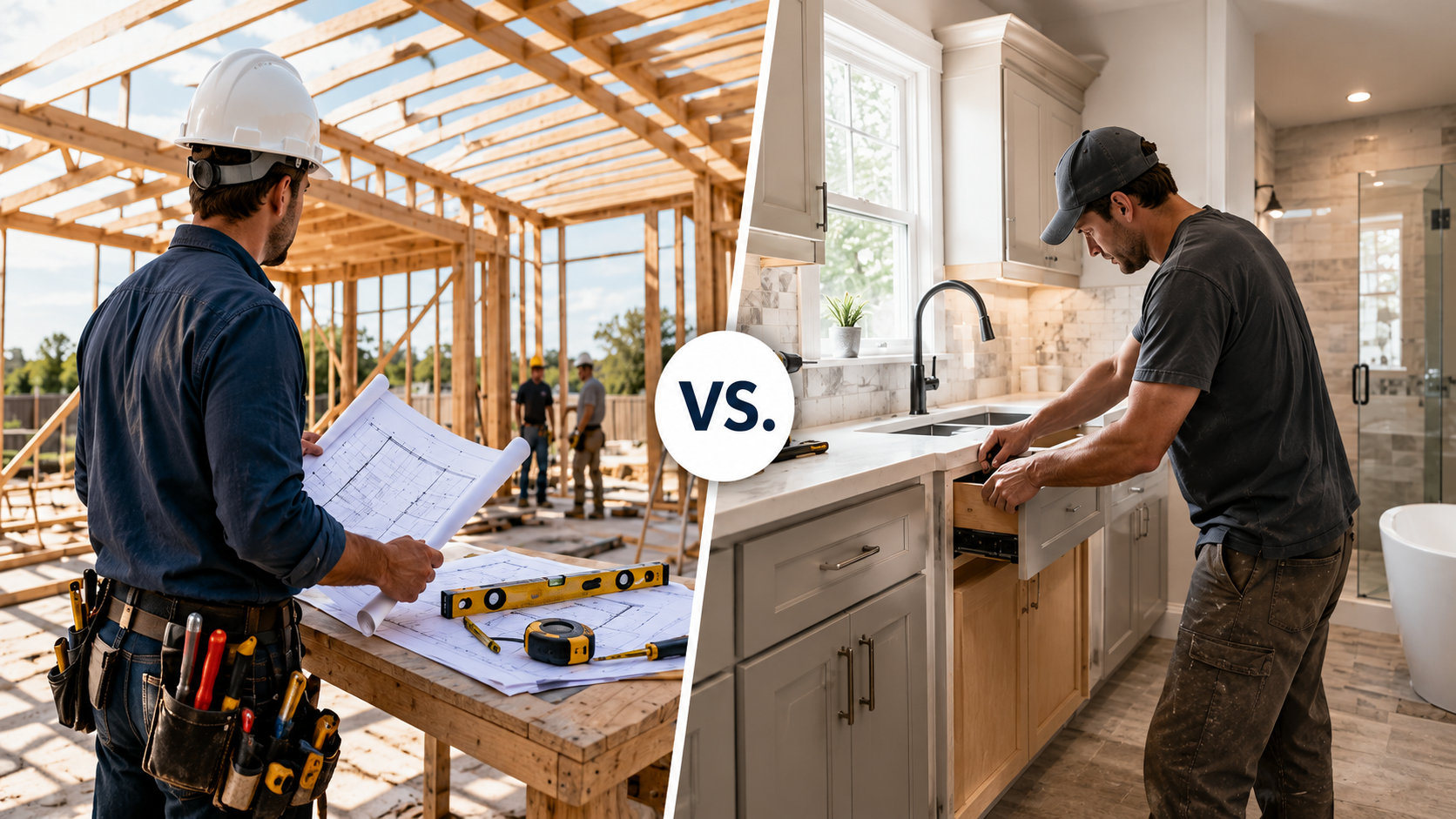
- A contractor typically manages a wide range of construction projects and hires subcontractors to get the work done. A remodeler usually specializes in renovating existing spaces, like kitchens and bathrooms, and often handles design and construction together.
- The right choice depends on your project. A focused update to an existing space usually calls for a remodeler. A project that touches multiple systems in your home, or involves new construction, usually calls for a contractor.
- Always verify a contractor's Virginia license class before signing anything. It determines the size of project they're legally allowed to take on.
- Get at least three written estimates, limit your deposit, and put every promise in writing before work starts.
- Many Hampton Roads projects, especially full-property renovations and real estate flips, actually need both skill sets working together.
If you're planning a home improvement project in Hampton Roads, you've probably run into both words: contractor and remodeler. People throw them around like they mean the same thing. They don't, and knowing the difference between a contractor and a remodeler can save you real frustration, and real money, before you ever sign a contract.
This isn't a small industry, either. The National Association of Realtors cites $608 billion spent on U.S. residential remodeling in 2025 alone, based on research from Harvard's Joint Center for Housing Studies. With that much money moving through the industry, it pays to know exactly who you're hiring.
Here's what each one actually does, how to tell them apart, and how to hire either one the smart way.
What is a general contractor?
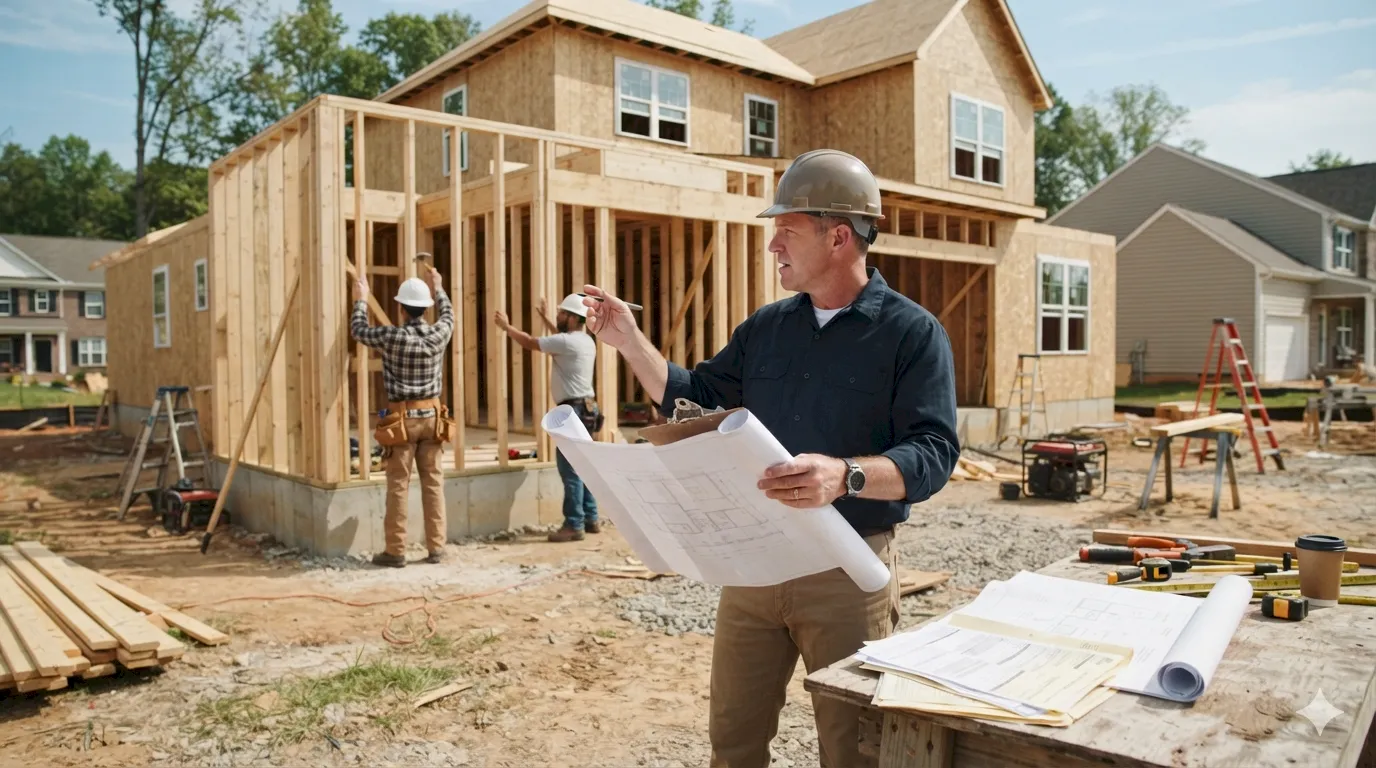
A general contractor manages construction projects of pretty much any size, from adding a room to renovating a basement to building something from scratch. They hire and supervise subcontractors, pull the necessary permits, and schedule inspections along the way, according to federal guidance on hiring a contractor.
Think of a general contractor as the person keeping a lot of moving pieces on track. They coordinate schedules between trades, manage the budget, and act as your main point of contact while the work is happening. A licensed general contractor can take on almost any type of building project, but many end up specializing in a particular kind of work over time.
What is a remodeler?
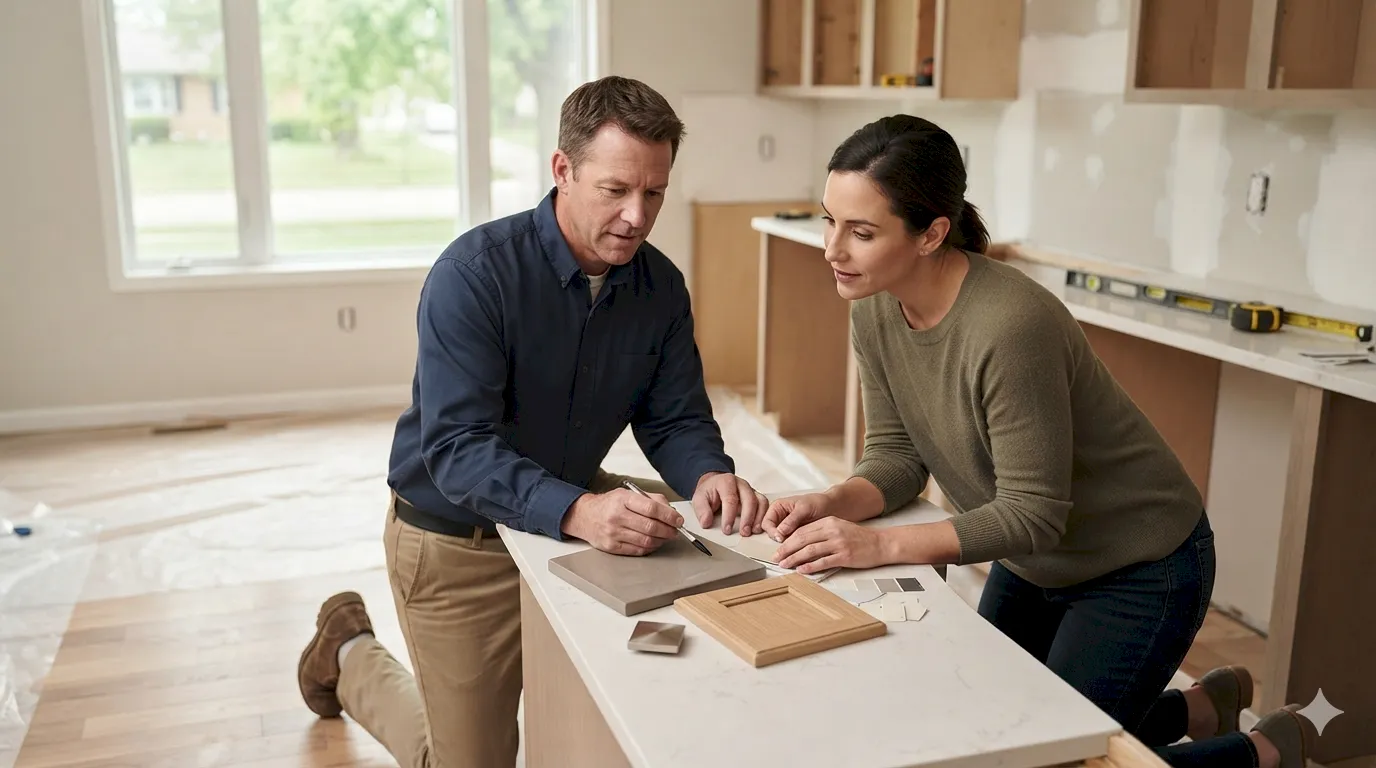
A remodeler specializes in renovating spaces that already exist, think kitchens, bathrooms, and whole-home updates, rather than building something new. Many remodelers, Cuevas Construction included, bring design and construction together under one contract, so you're not juggling separate agreements for the plans and the actual work.
Remodelers tend to build a closer working relationship with homeowners than a typical contractor would. You're walking through material choices and finish options together, not just signing off on someone else's plans. That collaboration is part of what makes a remodel feel personal instead of purely transactional.
What's the real difference between a contractor and a remodeler?
The real difference comes down to scope and structure. A contractor is built to manage a wide range of construction work, often from plans you already have. A remodeler is built around renovating existing homes, and often develops the plan together with you from the start.
ContractorRemodelerBest forNew construction, additions, large or multi-system projectsKitchens, bathrooms, whole-home updatesDesignUsually works from plans you provideOften develops the design with youPoint of contactManages subcontractors on your behalfFrequently the same team from quote to finishPricing styleOften billed by time and materialsOften one detailed scope and price.
Neither one is automatically the better choice. It depends entirely on what your home actually needs, and where you are in the process.
Contractor or remodeler: which one do you actually need?
You need a remodeler if you're updating a space you already have, like a dated kitchen or a bathroom that no longer works for your family. You need a contractor if your project involves new construction, an addition, or work that touches several systems in the home at once, like plumbing, electrical, and structural framing together.
A few quick ways to sort it out:
- Updating a kitchen, bathroom, or flooring? That's interior remodeling.
- Replacing siding, windows, gutters, or adding an outdoor living space? That's exterior remodeling.
- Renovating a full property, structure and finishes together? That usually calls for both roles working as one team, which we'll get into below.
Why licensing matters when you hire either one
Licensing matters because it's the difference between hiring someone the state has actually vetted for basic competency and hiring someone who hasn't been checked at all. Virginia licenses contractors under three license classes, based on the size of the projects they're allowed to take on.
Before you sign anything, check their license status and look for any past disciplinary action. It only takes a few minutes and it tells you a lot.
Cuevas Construction is a licensed contractor with the State of Virginia, a registered LLC, and BBB accredited with an A+ rating, with more than five years serving homeowners across Hampton Roads. Those details, along with the rest of our story, are on our company background page.
What should you ask before signing a contract with either one?
Before you sign anything, ask how long they've been in business, whether your project will be handled by employees or subcontractors, who's responsible for pulling permits, and whether you'll get a written contract that spells out the scope, timeline, and total cost. These are among the standard questions to ask any contractor or remodeler before you sign. It's also worth asking directly about "allowances," the line items where the final cost hasn't been nailed down yet, since those can quietly drive up your total.
Get at least three written estimates before you decide, and don't automatically go with the lowest one. It's worth asking each contractor to explain why their numbers differ from the others, and it also helps to limit your deposit to a small share of the total contract rather than handing over a large sum before any work begins.
If you want an extra layer of confidence in a remodeler's experience, two designations are worth knowing: NARI's Certified Remodeler designation and NAHB's Certified Graduate Remodeler credential. Both require several years of documented industry experience, continuing education, and a code of ethics, so they're a reasonable shortcut when you're comparing a few companies.
Some companies in this industry, particularly the ones that only work through insurance claims, have a reputation for winning a job with a low bid and then padding the price later, once work is already underway. Cuevas Construction works directly with each client on materials and budget from the start, adjusting to what's realistic for what you can actually spend, and we never subcontract. The same team that quotes your project is the one that shows up to do the work.
Red flags that should make you walk away
Walk away from anyone who pressures you to decide immediately, asks for full payment upfront, or will only accept cash. Those are classic warning signs of a scam, not a good deal.

A few more to watch for:
- A contractor who "just happens" to have materials left over from a previous job, or claims they're already working for your neighbor.
- A vague contract with a long list of undefined allowances instead of a real scope and price.
- Door-to-door solicitation. If you sign a contract at your home from an unsolicited visit, you generally have a right to cancel within three days.
None of these guarantee a scam, but any one of them is a reason to slow down and ask more questions before you sign.
Why many Hampton Roads homeowners and investors need both a contractor and a remodeler
One project shows exactly why the line between these two roles blurs in practice. A real estate investor bought an older property that needed far more than fresh paint. The basement had corroded and taken on water damage, previous work throughout the house had been done poorly, the kitchen was outdated with termite damage, and the bathroom's shower and toilet weren't functioning properly. The stairs and carpet were worn throughout, the lighting was dated, and the backyard had been neglected for years.
Cuevas Construction took on the full property, inside and out. The structural fundamentals came first: plumbing, electrical, gas lines, the basement, and drainage, to make sure the bones of the house were solid. Only after that were the kitchen, bathroom, flooring, and lighting modernized, and the backyard cleared and rebuilt.
That order matters more than most homeowners expect. Discovering a construction issue once work is already underway is one of the more common reasons renovation projects run over budget. It's part of why Cristian Cuevas, the company's owner, tells clients again and again to define the full scope of a project before the budget gets locked in. Adding requests once work has already started is where most of the friction begins.
If you want to see more of this kind of work, our past projects page has more examples of full-property renovations, inside and out.
Whether your project calls for a contractor, a remodeler, or both under one roof, the most important step is the same: verify the license, get everything in writing, and choose a team that walks your property before quoting a number. Once your project is finished, you should be able to walk through it yourself, and if anything's off, it should get fixed before the job is considered done. That's how we handle every project at Cuevas Construction.
If you're weighing your options for a project in Chesapeake, Norfolk, Virginia Beach, Hampton, Newport News, or Portsmouth, we're happy to walk your property and talk through what it actually needs. Request a free estimate whenever you're ready. No pressure either way, and first-time customers get $200 off when they book a service.
FAQ

Open Kitchen Layouts: Benefits, Costs, and Tradeoffs
Kitchen Upgrades That Help Your Home Sell Faster