Flooring guideUpdated 2 min read

LVP vs hardwood: which floor fits your home?

The short answer

Choose luxury vinyl plank for kitchens, bathrooms, laundry rooms and homes with kids or pets: it handles water and wear with little care. Choose hardwood for living rooms, dining rooms and bedrooms where you want real wood that can be sanded and refinished. Many homes use both.

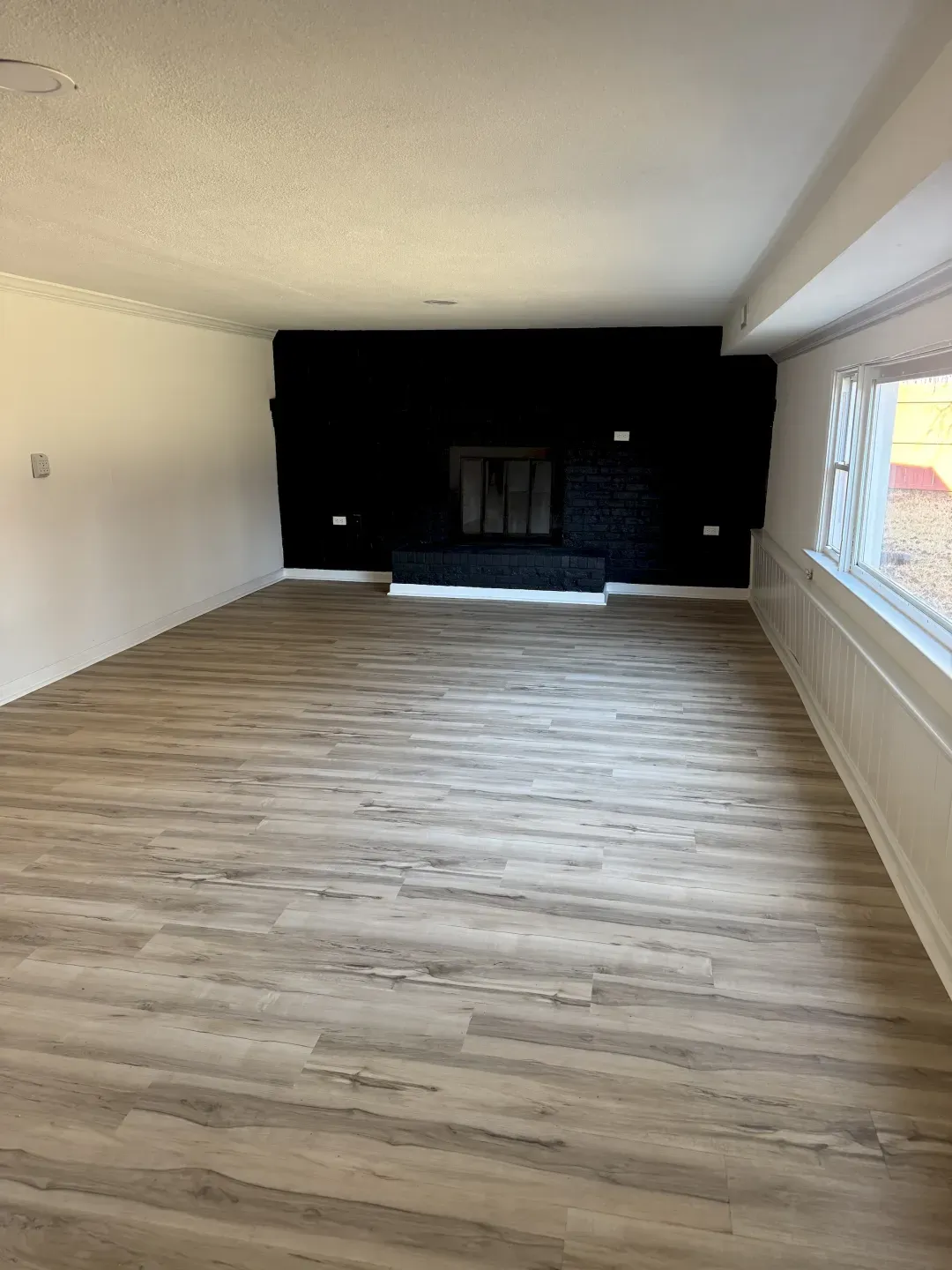
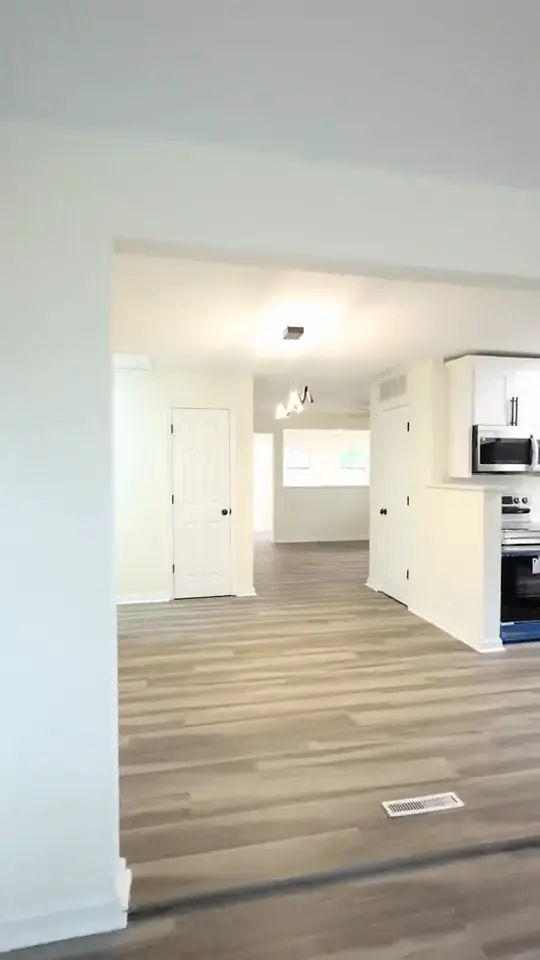
Empty living room with new wood-look vinyl plank flooring
From our jobs

What each one is

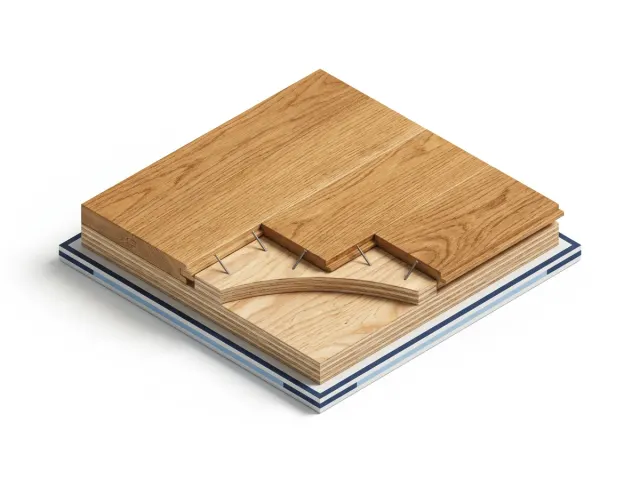
Hardwood is real wood. Solid hardwood is milled from one piece of oak, maple, hickory or walnut and nailed down; engineered hardwood has a real wood top over a layered core and can also be glued or floated.

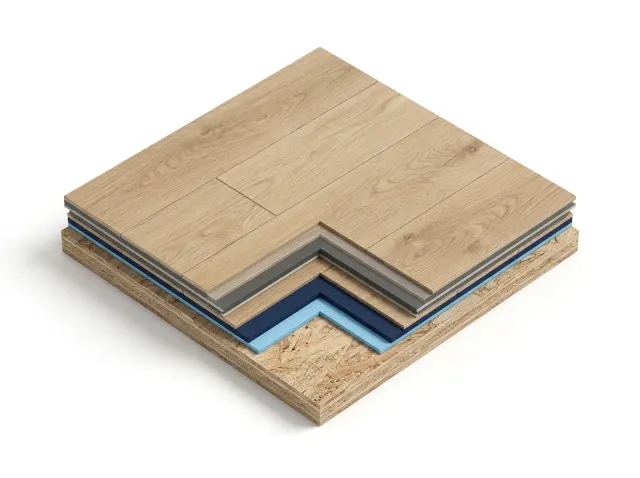
Luxury vinyl plank (LVP) is a layered plank: a core of stone-plastic or wood-plastic composite, a printed wood image and a clear wear layer on top. Most planks click together and float over the subfloor.
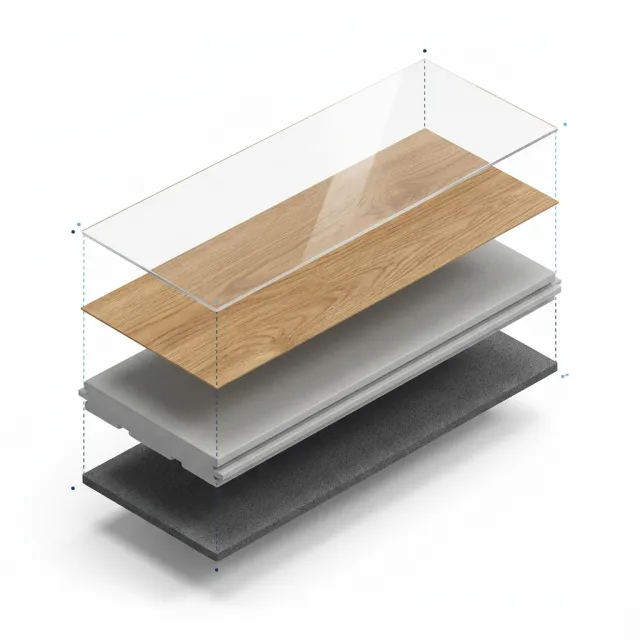
Illustration of a vinyl plank taken apart: a dark attached pad, a grey rigid core, a printed oak layer and a clear wear layer
IllustrationInside a vinyl plank: the core keeps it waterproof, the clear wear layer keeps the look.

Water and humidity

This is the biggest difference. Vinyl plank is waterproof, so spills, wet feet and a leaking dishwasher do not harm the plank itself.

Wood takes on and gives off moisture with the air. The wood flooring industry asks for indoor air kept between 30 and 50 percent relative humidity, and for the boards to be within 4 percent of the subfloor's moisture content for narrow strip flooring and 2 percent for wider plank before they are installed.1 In humid Hampton Roads summers that means air conditioning running and boards left in the house to settle first. Engineered hardwood moves less than solid wood when the air changes.

Wear, dents and refinishing

Vinyl plank resists scratches and dents through its wear layer; a thicker wear layer stays clear longer. It cannot be refinished: a damaged plank is replaced, so keep spares from the same lot.

Hardwood dents more easily, and how much depends on the species. On the Janka hardness scale, red oak rates 1,290, white oak 1,360 and hard maple about 1,450.2 What hardwood offers in return is renewal: solid hardwood can be sanded and refinished several times, and engineered hardwood as many times as its top layer allows.

Look, feel and sound

Hardwood is real wood, with grain and color that vary board by board and age over time. Good vinyl plank imitates it closely, especially products with many different board images, but it feels slightly softer and sounds different underfoot. A floating vinyl floor can sound hollow if the subfloor is not flat.

Which rooms suit each one

RoomOur usual recommendation
KitchenVinyl plank, or engineered hardwood with spills wiped soon
Full bathroom, laundryVinyl plank or tile
Living and dining roomsHardwood or vinyl plank
BedroomsHardwood
Home on a concrete slabVinyl plank or engineered hardwood
Homes with large dogs or rentalsVinyl plank with a thicker wear layer

Sources

  1. Wood Flooring Installation Guidelines, National Wood Flooring Association, 2026.
  2. Janka Hardness Scale: Wood Flooring Chart & Guide, National Hardwood, read November 2026.

Figures are the published averages and medians of these sources, not Cuevas Construction prices. Your project's cost comes from an in-home estimate.
Compare

LVP or hardwood, side by side

The same questions, answered for each floor.

Busy homes

Luxury vinyl plank

A waterproof plank with a printed look.

Water
Waterproof plank; edges sealed in wet rooms.
Dents and scratches
Resists both through its wear layer.
Refinishing
Not possible. A damaged plank is replaced.
Humidity
Stable. Little movement with the seasons.
Underfoot
Warm, slightly soft.
Best rooms
Kitchens, baths, laundry, pets.

Hardwood

Real wood, solid or engineered.

Water
Wipe spills soon; keep it out of full baths.
Dents and scratches
Depends on the species and the finish.
Refinishing
Solid: several times. Engineered: depends on the top layer.
Humidity
Needs steady indoor air, 30 to 50 percent.
Underfoot
Real wood feel and sound.
Best rooms
Living rooms, dining rooms, bedrooms.

Many homes use vinyl plank in the kitchen and baths and hardwood in the living areas and bedrooms.

How it is built

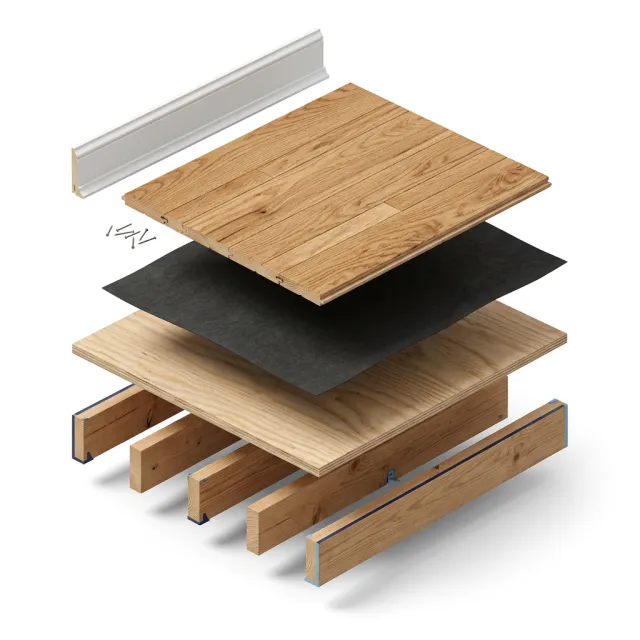
What a hardwood floor sits on

A wood floor is only as good as what is under it.

Illustration of a hardwood floor taken apart: floor joists, plywood subfloor, black felt underlayment, oak boards with flooring nails and a white baseboard Joists The framing that carries the floor. Subfloor Flat, dry and solid before any board goes down. Underlayment Slows moisture from below and quiets the floor. Hardwood boards Left in the house first so they settle to its air. Fasteners Nails through the tongue, so none show. Baseboard Covers the gap that lets the floor move.

FAQ

LVP and hardwood questions

Does LVP add value like hardwood?

Hardwood is real wood and can be refinished, which many buyers value. Vinyl plank appeals for its durability in kitchens and baths. In many homes the best answer is both, each where it fits.

Can LVP go over hardwood?

Sometimes, if the old floor is flat, solid and dry. A damaged or uneven wood floor is repaired or removed first.

Which is better with dogs?

Vinyl plank resists scratches and accidents better. If you want wood, harder species and a matte finish hide wear best.

Which lasts longer?

Solid hardwood can last for generations because it can be sanded and refinished. Vinyl plank lasts as long as its wear layer; a damaged plank is replaced.

Free in-home estimate

Not sure which floor fits?

We will look at the rooms and the subfloor, bring samples and give you a detailed estimate at no cost.