A guide for Virginia Beach and Hampton Roads homeowners
If you've ever stared at a water stain on your ceiling after a storm and wondered whether your home insurance will pay for it — you're not alone. Roof insurance is one of the most misunderstood parts of any homeowners insurance policy, and in Virginia Beach, where nor'easters, hurricanes, and hailstorms are part of life, getting this wrong is expensive.
This guide covers what your home insurance policy likely pays for, what it excludes, and what to do before and after a storm to protect your claim.
What you'll learn
- How home insurance applies to roof damage
- What coverage limits and deductibles mean for your out-of-pocket costs
- Which types of damage are covered — and which aren't
- How to file roof damage claims the right way
- What to do if your claim gets denied
How home insurance works for your roof
Your homeowners insurance policy covers the structure of your home — what insurers call dwelling coverage — and your roof is a major part of that. Most standard policies pay for damage caused by sudden, unexpected events: storms, high winds, hail, falling trees, and fire.
What homeowners insurance policies generally don't cover is gradual deterioration. Wear and tear, aging shingles, slow leaks left unaddressed — those fall on you. If a roof fails because it was old and neglected, that's not a covered loss, whether you have residential roofing or commercial roofing on the property.
One thing worth doing: actually read the relevant section of your policy. Some policies cover wind damage; others exclude it or apply a separate, higher deductible. Hurricane deductibles are common in coastal Virginia. You won't know until you look.
Home insurance coverage limits and deductibles
Two numbers you need to know: your coverage limit and your deductible. The coverage limit is the maximum your insurer will pay for a roof claim. The deductible is what you pay first before they cover the rest. Higher deductibles usually mean lower monthly premiums — but you're on the hook for that amount upfront when costly damage strikes.
Replacement cost coverage vs. ACV coverage
The type of coverage you choose makes a real difference at claim time:
- Replacement cost coverage (RCV) — pays what it actually costs to replace your roof with comparable materials today, no depreciation deducted
- ACV coverage (actual cash value) — factors in depreciation, so an older roof gets you significantly less at payout
If your policy is ACV and your roof is 15 years old, you might receive half the replacement cost or less. Some insurance products also offer guaranteed replacement cost — worth asking about when reviewing your options with a home insurance expert.
Roof coverage: what types of damage are covered

Wind, hail, and storm damage
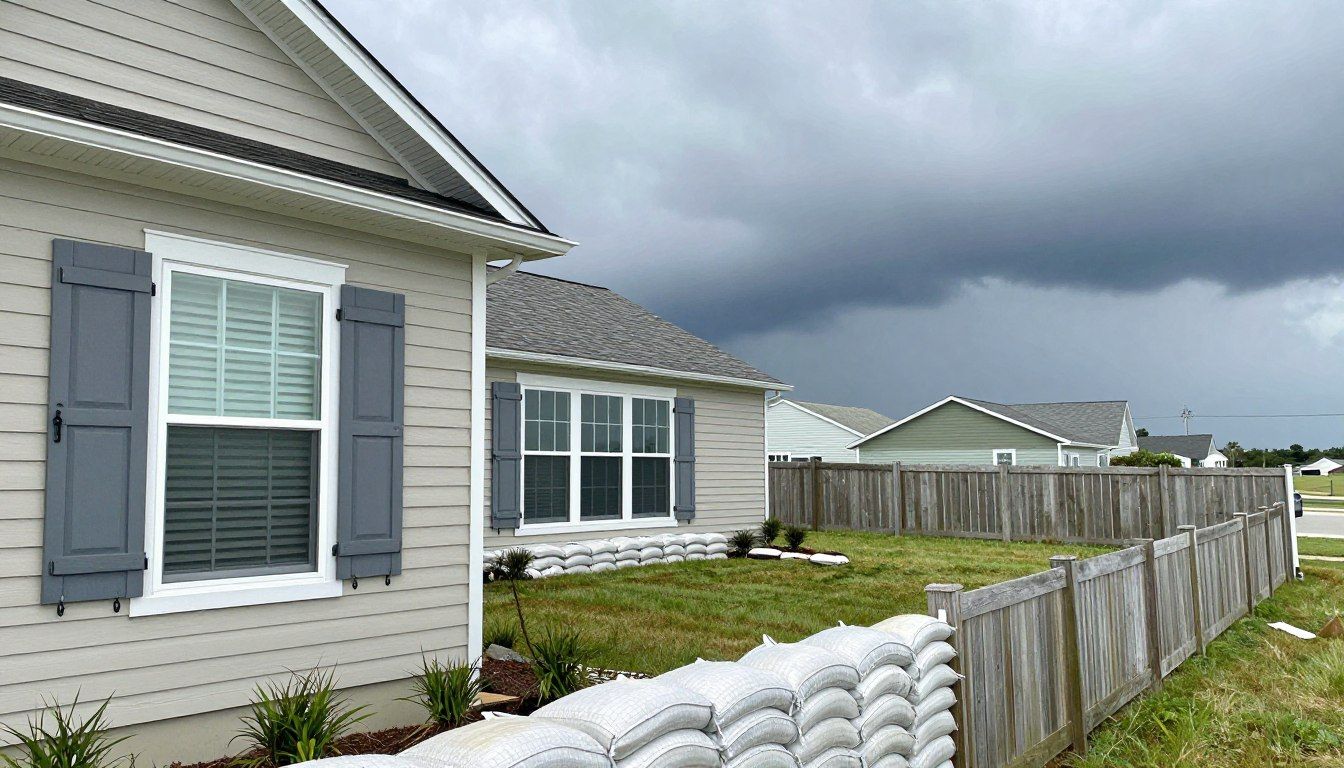
Wind and hail are the most common sources of roof damage claims in Virginia. A bad storm can knock off shingles, crack flashing, send a tree limb through the roof, or cause structural failure under heavy snow. Fire damage and falling objects are also covered under most standard policies. If the damage is sudden and storm-related, you have a strong basis for a claim — but documentation is critical. Take photos immediately, note the storm date, and save weather alerts. Insurers need proof.
One often-overlooked item: ordinance or law coverage. If local building codes have changed since your roof was installed, a full roof replacement may require upgraded materials or structural work that exceeds your basic home insurance coverage. Ordinance or law coverage pays for those additional code-compliance costs. Without it, you could be paying the difference out of pocket.
Age, wear, and what's not covered
Gradual wear and tear is not covered by any standard policy. If your roof is 20 years old and shingles are curling, granules are washing out, or flashing is corroding — that's deferred maintenance, not a covered loss. This applies to cosmetic damage as well: hail dings that don't affect the roof's function are typically excluded. Regular upkeep is part of your obligation as a policyholder, and insurers look for evidence of it when processing claims.
How your roof's age affects your dwelling coverage
The older your roof, the less your insurer may pay. Some insurers automatically switch older roofs from replacement cost to ACV coverage after a certain age — sometimes 10 years, sometimes 20. Others cap coverage at a percentage of replacement cost based on remaining useful life. A 25-year-old roof might only be covered at 40% of its replacement value.
If your roof is aging, call your agent and ask specifically how your current home insurance policy handles it. You may be able to add endorsements, or it may be time to budget for a replacement before you're forced into one.
Evaluating your home insurance policy
Most people set up their policy when they buy the house and don't look at it again until something goes wrong — which is exactly when you find the $10,000 hurricane deductible or the age-based exclusion buried in the fine print.
What to look for
- Does the policy pay replacement cost coverage or ACV coverage for the roof?
- Is there a separate wind or hurricane deductible?
- Does the policy include ordinance or law coverage for code-required upgrades?
- Are there age-related caps on your home insurance coverage?
- Are there specialty endorsements available for impact-resistant materials?
- What maintenance requirements affect coverage eligibility?
If anything is unclear, a home insurance expert at your carrier can walk you through it. Most providers publish home insurance resources online — policy guides, coverage explainers, claim checklists — that are worth reviewing before you need them. Those insurance resources can save a lot of confusion when you're in the middle of a claim.
Roof repair vs. full roof replacement
Sometimes a repair makes sense — a few missing shingles, minor flashing damage, a small area of impact damage. If the roof is relatively new and the damage is isolated, fixing it is usually the right call.
But if damage covers more than about 25% of the surface, most contractors and insurers lean toward full roof replacement. Partially patching a roof already showing widespread deterioration tends to lead to more costly damage down the road. Some insurers use the 25% threshold as an explicit guideline for when replacement becomes the recommended path.
When you're on the fence, get a professional inspection. A qualified contractor can give you an honest read on whether remodeling, repair, or full replacement is the smarter investment given the roof's overall condition and your policy's reimbursement structure.
How to file roof damage claims
The moment you notice damage — especially after a storm — start the clock.
- Document everything
Photos, videos, timestamps — before any temporary repairs are made. Cover exposed areas with tarps to stop additional water intrusion, but hold off on permanent repairs until the adjuster has seen the damage. - Call your insurer
Report the damage as soon as possible. Most homeowners insurance policies have a filing window, but delays can complicate claims and give insurers grounds to question the cause of damage. - Get your own estimate
Don't rely solely on the insurance company's adjuster. Get an independent estimate from a licensed roofing contractor you trust. If there's a significant gap between the two numbers, you have grounds to negotiate. - Keep records of everything
Every call, email, and document. A paper trail is your best asset if the claim gets disputed or lowballed.
What to do if your claim is denied
Denials happen, and they're not always final.
Common reasons for denial
- Wear and tear (not a covered peril under any standard policy)
- Maintenance neglect documented in inspection reports
- Pre-existing damage identified by the adjuster
- Damage falling under a specific policy exclusion
Read the denial letter carefully — it should state the exact reason for the decision.
How to appeal
Gather additional evidence: more photos, a written contractor assessment, weather reports documenting the storm event. Submit a formal appeal that directly addresses the stated denial reason. If the appeal goes nowhere, consider hiring a public adjuster — an independent professional who works for you, not the insurer, and takes a percentage of the final settlement. They understand how homeowners insurance policies are written and often recover significantly more than homeowners do on their own.
Virginia weather and your insurance coverage
Virginia Beach and Hampton Roads deal with a real range of weather — hurricane season runs June through November, nor'easters push through in fall and winter, and hailstorms pop up in spring and summer. Each type of event can affect how a claim is processed and what your home insurance coverage pays out.
Flood damage
Standard home insurance does not cover flood damage. If you're in a flood-prone area, you need a separate policy through FEMA's National Flood Insurance Program or a private carrier. Flood insurance is one of the insurance products most commonly overlooked by Virginia coastal homeowners — usually until it's too late.
Seasonal inspections
Inspect your roof in the fall before storm season ends and again in the spring after winter. A $300 inspection can prevent a $15,000 repair that your insurer won't cover because it looks like deferred maintenance.
Questions to ask your insurance agent
- Is my roof covered at replacement cost or ACV coverage?
- Is there a separate deductible for wind or hurricane damage?
- Does my policy include ordinance or law coverage?
- Are there any age-related exclusions on my dwelling coverage?
- If I replace my roof, does my premium change?
- What home insurance resources do you have for filing roof damage claims?
A good agent should answer all of these without hesitation. If the answers are vague, it's worth comparing options — different insurance products and carriers handle roof coverage very differently, and some specialty policies offer significantly better protection in storm-prone areas.
Before you install a new roof
If you're planning a full roof replacement, loop in your insurer first. A new roof usually changes your premium for the better, and your home insurance policy needs to reflect the new installation to keep your dwelling coverage accurate.
Features that improve your coverage standing
- Impact-resistant shingles (Class 4 rated) — many insurers offer premium discounts of 10–30% in hail-prone areas; ask about specialty endorsements available for these materials
- Proper ventilation — reduces moisture buildup and extends roof life, which supports long-term coverage eligibility
- Documented installation — keep the warranty, contractor's license, and photos of the completed work on file
After installation, notify your insurer with the completion date, materials used, and contractor information. This step keeps your home insurance coverage accurate and can unlock better rates going forward.
FAQ
Damage from sudden, unexpected events — storms, hail, high winds, falling objects, fire. Standard homeowners insurance policies don't cover gradual wear, aging, or neglect. Review your home insurance policy for specific exclusions around your roof's age and material type.
A guideline some insurers apply: if more than 25% of the roof surface needs repair after storm damage, they may require full roof replacement rather than a partial fix. This affects how a claim is paid and can determine whether you receive replacement cost coverage or ACV coverage.
No. Leaks during rain typically indicate a real problem — missing shingles, damaged flashing, or deteriorated seals. A neglected leak can turn into a denied claim if the insurer determines the damage was preventable through routine maintenance.
Standard homeowners insurance policies cover the full structure as one policy — you generally can't insure the roof separately. But you can add endorsements or riders for specific risks. Talk to a home insurance expert about what makes sense for your home and location.
It depends on the cause. If storm damage led directly to the leak, it's likely covered. If the leak developed gradually from aging materials or clogged gutters, it probably isn't. Document all storm events and address maintenance issues promptly to keep your home insurance coverage intact.Have questions about roof repairs or replacement after storm damage? Cuevas Construction handles residential roofing, commercial roofing, and remodeling across Virginia Beach, Norfolk, Chesapeake, and Hampton Roads. Contact us for a free inspection.
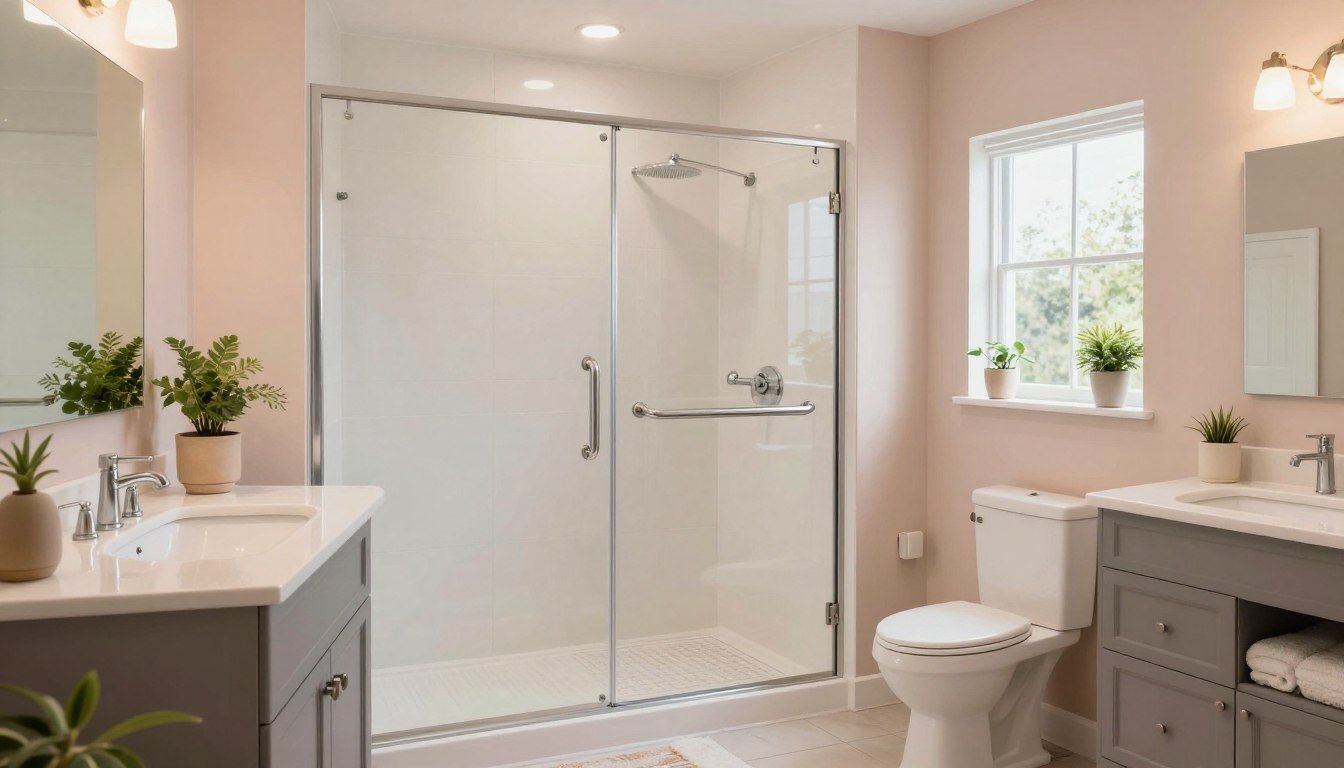
Aging in place bathroom remodels: the growing trend in Hampton Roads
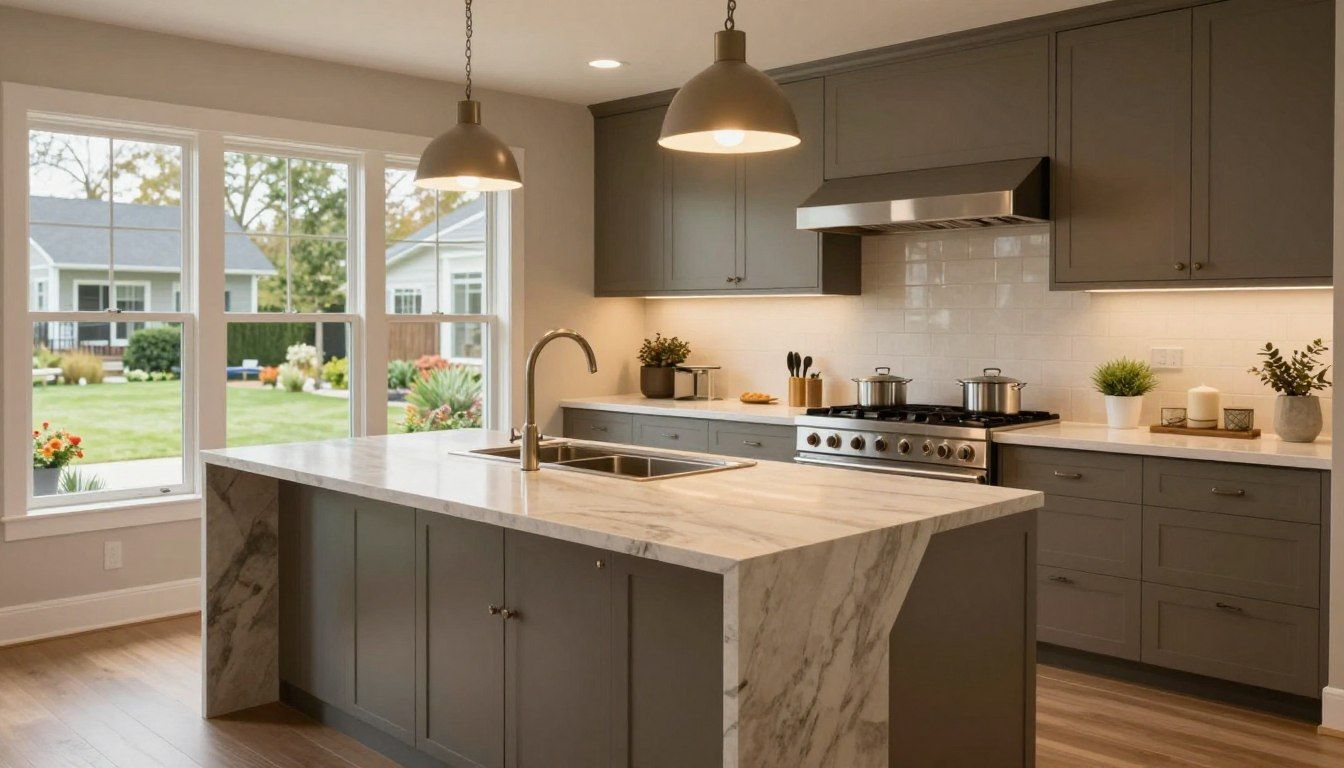
Kitchen remodel trends for fall 2026: what Hampton Roads homeowners are asking for