
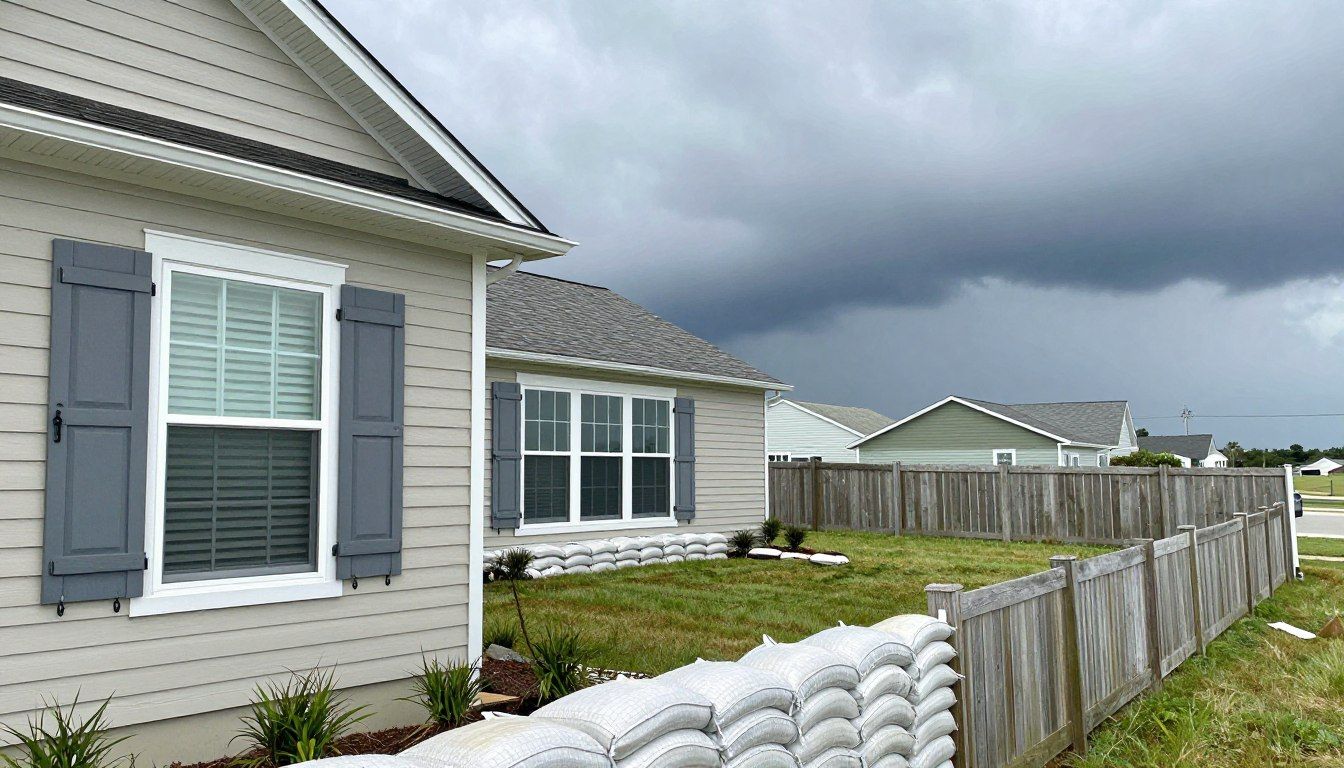
How to protect your home's exterior before hurricane season ends in Hampton Roads
Hampton Roads weather can change fast, so smart storm readiness starts with the outside of your property. Small repairs made early can prevent costly damage later.
Hurricane season begins June 1 and lasts five months. August and September often bring the most activity. For 2025, NOAA projected 13 to 19 named storms and a 60% chance of above-normal activity. A Category 3 storm brings winds of at least 111 mph.
That outlook does not call for alarm. It gives you time to inspect siding, roofing, doors, gutters, trees, and outdoor items. Storm surge and flooding can affect nearby neighborhoods, even when rain seems manageable.
Our practical plan covers alerts, exterior checks, evacuation choices, and family safety. Gather water, a kit, and other supplies several days in advance. Review Virginia storm preparedness guidance, and follow local officials when conditions change. The National Hurricane Center also posts current alerts and forecasts.
Key Takeaways
- Inspect exterior features before dangerous weather develops.
- Secure loose items, trees, gutters, and outdoor equipment.
- Track reliable alerts and local instructions.
- Keep essential supplies ready before demand rises.
- Use a clear family plan for shelter or evacuation.
Understand Hampton Roads Hurricane Risks Before the Season Ends
Hampton Roads faces more than strong rain. Coastal water, blocked roads, and power loss can affect people far inland. Good hurricane preparedness starts with knowing which alert changes your next step.
Track Watches, Warnings, and Official Alerts
The official period begins June 1 and runs through November, with activity often rising in August and September. Check the National Hurricane Center for forecast updates, alerts, and storm discussions. Follow local officials when they issue evacuation orders.
A watch gives you time to review your plan. A warning means dangerous conditions are expected soon. An Extreme Wind Warning signals sustained winds of 115 mph or more within one hour. Move into a sturdy shelter at once.
Prepare for Storm Surge, Flooding, and High Winds
Tropical depressions have winds up to 38 mph. Tropical storms reach 39 to 73 mph, while hurricanes reach 74 mph or higher. Storm surge can flood coastal and inland areas. Heavy rain may also create a flood risk.
Hurricane Katrina produced surge levels up to 28 feet in Louisiana and Mississippi. Roads near Hampton Roads may become unsafe for days, leaving residents without water or a safe evacuation route.
Hurricane Season Home Preparation Checklist for Your Exterior
Use this checklist while conditions are calm. Early exterior work can limit damage, protect your home, and support safer evacuation decisions. Check each area in advance, not when strong weather is already nearby.
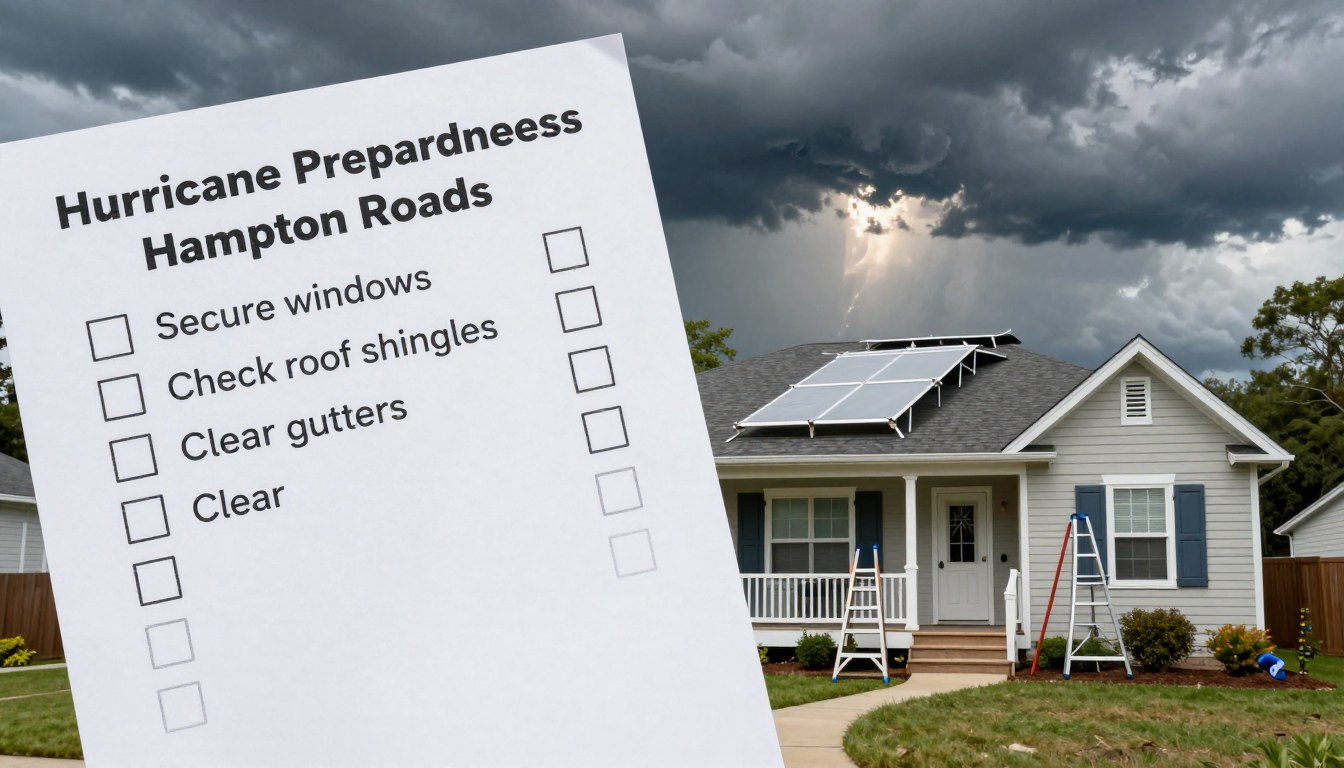
Inspect and Reinforce the Roof, Windows, and Doors
Look for loose shingles, damaged flashing, and weak roof-to-wall connections. Roof straps or clips may help hold the roof to the structure. Ask a qualified contractor about reinforcement before damaging winds arrive.
Use approved hurricane shutters or properly installed wood over windows. Tape alone will not stop glass from breaking. Check exterior doors, the garage door, and latches. Weak openings can let wind and rain inside.
Complete repairs before the forecast turns urgent.
Secure Outdoor Furniture, Decorations, and Garbage Cans
Bring furniture, decorations, tools, garbage cans, and loose items indoors. Store supplies in a sturdy space. These objects can become dangerous during a storm.
Trim Trees, Clear Gutters, and Improve Drainage
Trim trees and shrubs away from the roof, windows, and doors. Clear gutters and downspouts so rain can move away from the foundation. Check low areas for blocked drains and signs of flooding. One inch of floodwater can cause more than $25,000 in damage.
- Keep a kit with three days of food, water, and batteries.
- Finish outdoor tasks before the season becomes active.
Protect Your Home From Wind, Rain, and Power Outages
When a hurricane approaches, move inside early and close interior doors. Stay away from windows during the worst part of the storm. Choose a small, sturdy shelter area where your family can wait safely while high winds and rain pass.
Keep vehicle and generator tanks at least half-full. Stations may become crowded, and gas may run out. Never operate a generator indoors, inside a garage, or near doors and windows. These simple steps reduce carbon monoxide risk and support power needs during several days without service.
Charge phones and keep cash available because ATMs may stop working during a power outage. Add a flashlight, spare batteries, and a battery-powered or hand-crank radio to your kit. Follow trusted storm safety tips and CDC guidance.
Store separate drinking water for your family. A bathtub or large container can hold water for washing and flushing, but never for drinking. If the refrigerator loses power for over four hours, discard unsafe food. A cooler with ice packs can protect drinks and snacks.
Make sure fans, lighting, food, and essential supplies are easy to reach. These small actions help your home remain safer and more comfortable during an outage.
Coordinate Evacuation Plans, Emergency Kits, and Insurance
A calm afternoon is the best time to settle decisions that feel harder under pressure. Build an evacuation plan with two routes, a meeting point, and an out-of-area contact. Add neighbors or relatives who can assist older adults, children, or people with medical needs.
Authorities advise leaving at once after an evacuation order. Roads may flood, gas may become scarce, and help may be limited. Review these hurricane preparedness tips with every family member in advance.

Keep Supplies, Documents, and Pet Items Ready
Chris Emrich, a UCF disaster expert who has worked with FEMA, recommends seven days of supplies. Store one gallon of water per person per day. Keep three days of food in a portable kit, while your home supply should support up to two weeks.
- Pack first aid, medications, a radio, chargers, batteries, cash, and sanitation items.
- Seal insurance policies, identification, medical records, leases, deeds, and contacts in waterproof folders.
- Prepare pets with food, medicine, carriers, leashes, and vaccination records.
Review insurance each year. Flood insurance can help even outside a designated flood area. Average coverage costs about $660 yearly for $250,000, while one inch of floodwater may cause over $25,000 in damage. Confirm limits, deductibles, and replacement values before the storm.
Conclusion
Watch official alerts, learn your area’s storm surge and flood risk, and follow evacuation orders. Do not rely on assumptions about hurricanes. For practical preparedness tips, review UCF emergency preparedness resources.
Keep water, food, medicine, documents, batteries, and pet supplies ready. Review insurance before losses occur, and plan for power outages that last several days. Follow trusted guidance through hurricane season and the rest of the year. With steady planning, you can face hurricanes with greater confidence and protect what matters most.
FAQ
The Atlantic hurricane season begins June 1 and ends November 30. Still, strong storms can affect Virginia Beach, Norfolk, and nearby areas outside those dates. Track official alerts and review your safety plan each year.
Protecting your Hampton Roads home starts with finished exterior repairs, secured loose items, and clear drainage paths before the next storm forms. These simple steps can limit damage and support family safety Inspect the roof, windows, doors, siding, and attached structures in advance. Repair loose shingles, seal gaps, and check that shutters or impact-rated coverings fit correctly. These steps can help limit wind and rain damage.
Check your property’s flood risk and learn the evacuation zones for your area. Move valuable items above expected water levels, clear drainage paths, and follow instructions from local officials. Never drive through flooded roads.
Bring in furniture, decorations, planters, grills, and garbage cans. Tie down items that cannot move indoors. Trim weak branches and remove dead trees when conditions are calm.
Store water, food, batteries, a flashlight, a radio, first aid items, medications, and basic tools. Plan for at least three days without power. Include chargers, cash, personal documents, and supplies for children or older family members.
Choose several routes and a safe shelter before an evacuation order. Decide where family members will meet, how you’ll communicate, and who can help people with mobility needs. Keep gas in the vehicle and leave early when officials advise it.
Prepare a pet kit with food, water, medicine, leashes, carriers, and vaccination records. Confirm which shelters and hotels accept animals. Keep pets secured indoors when alerts begin, since frightened animals may run.
Policies differ, so review your coverage before bad weather arrives. Standard policies may cover some wind damage but often exclude flooding. Ask your insurer about deductibles, exclusions, documentation, and flood insurance for your property.

Open Kitchen Layouts: Benefits, Costs, and Tradeoffs
Kitchen Upgrades That Help Your Home Sell Faster